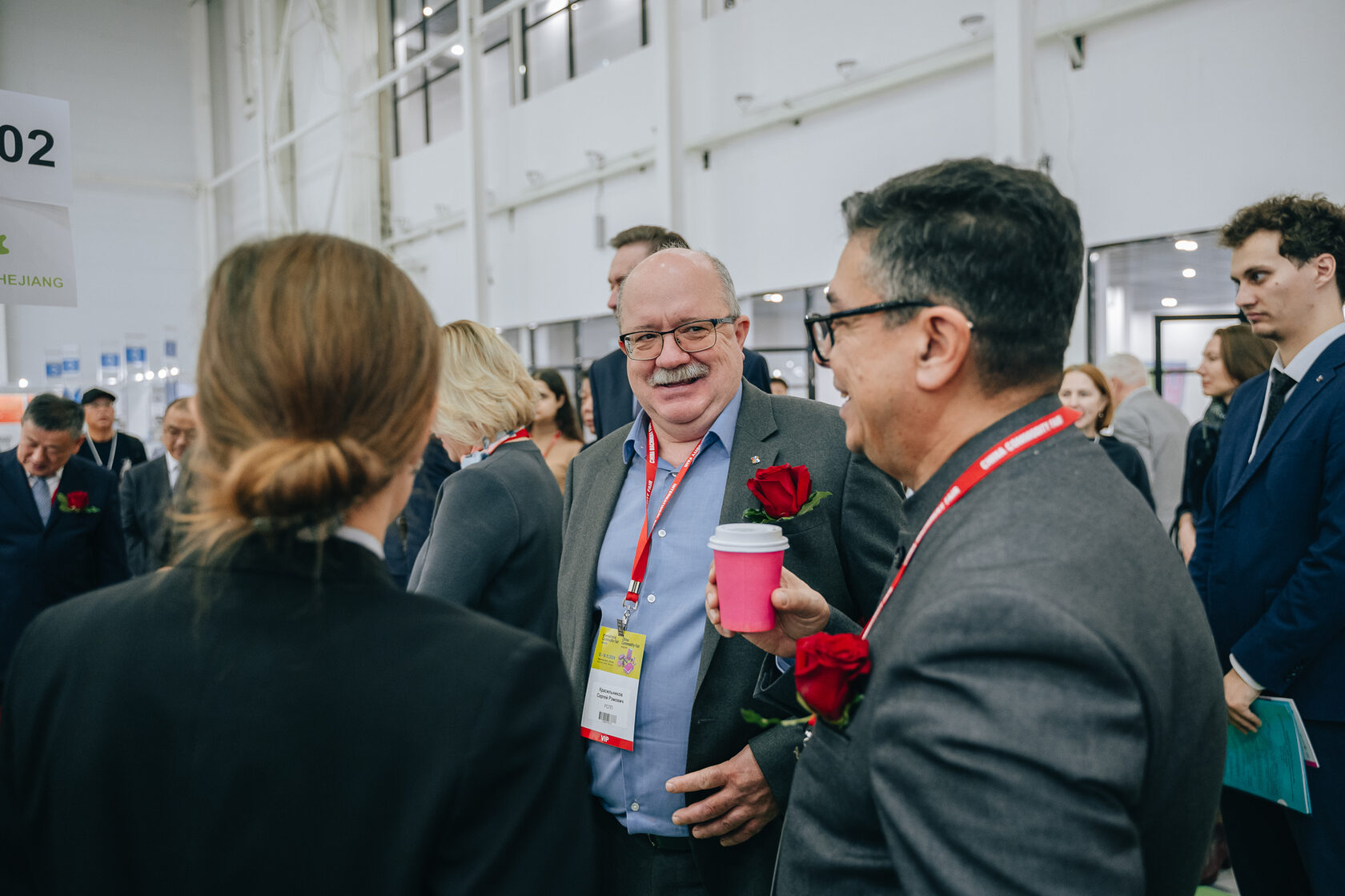
This year, trade turnover has surpassed the $240 billion mark for the first time. Experts are already setting new targets of $300 billion.
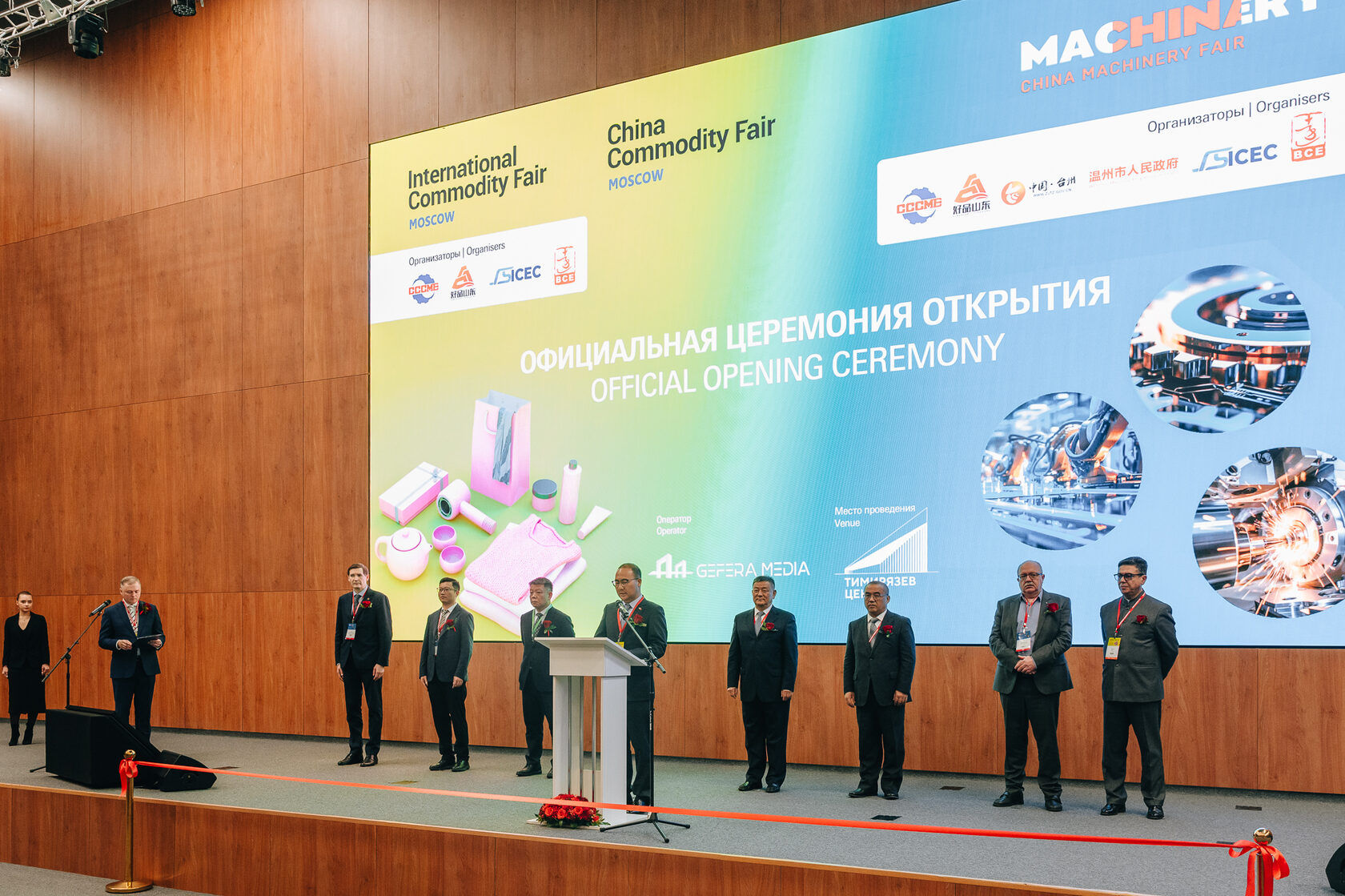
These figures were announced at the opening of the 8th International Consumer Goods Fair (International / China Commodity Fair) and the 5th National Exhibition of Industrial Equipment and Innovations from China (China Machinery Fair), which took place in Moscow from November 12 to 14.
Product trends: smart suitcases, neural networks, and seasonality
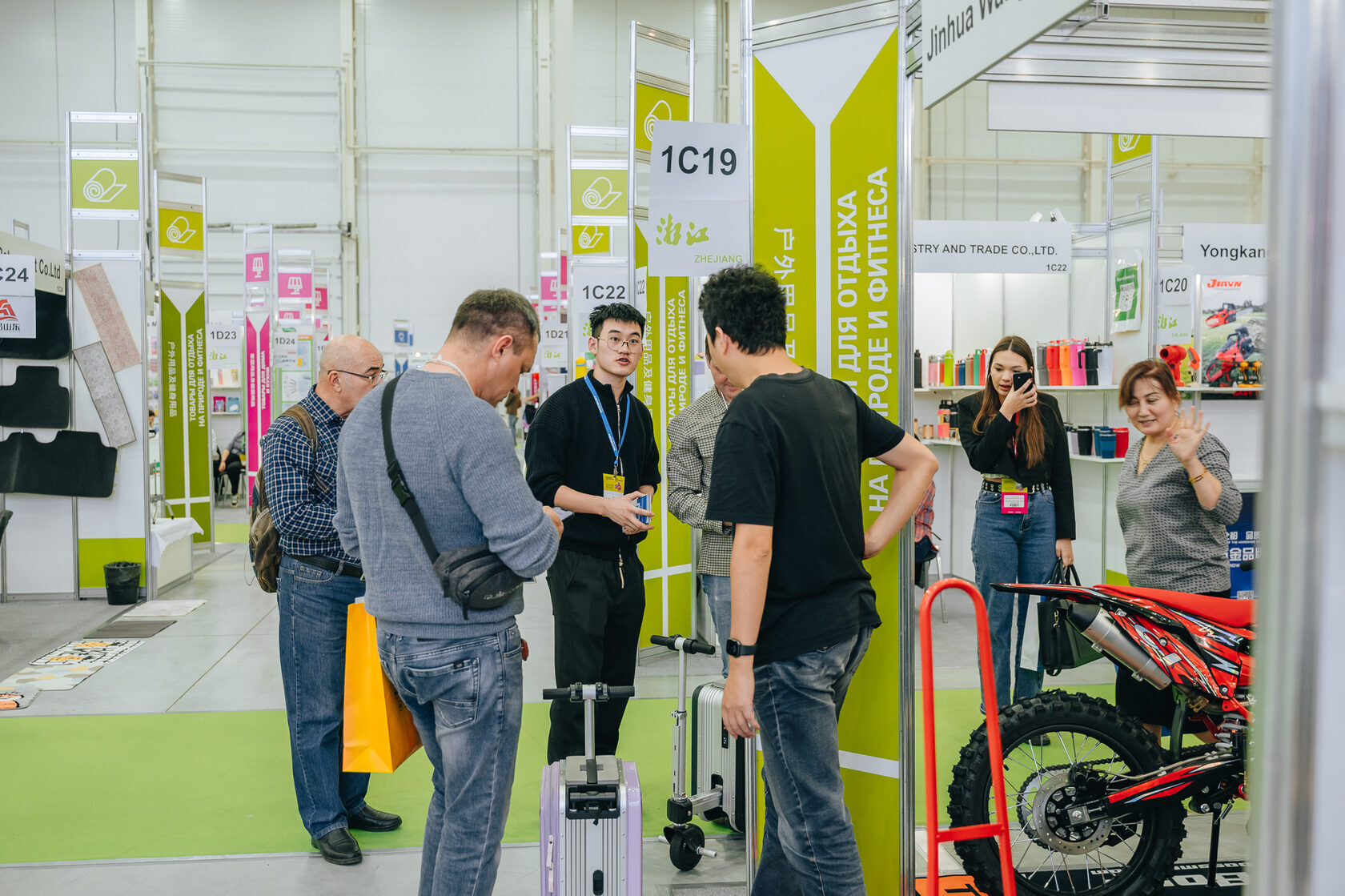
At the International / China Commodity Fair, which took place in Russia for the eighth time and serves as a driver of bilateral trade, visitors could see a wide range of products for home, health, and beauty, as well as household appliances, outdoor and gardening equipment, clothing, gifts, and souvenirs—over a thousand products presented by 170 companies from China and Russia.
One of this year’s largest product segments was health-related goods and useful gadgets. For example, a unique electronic suitcase attracted attention while driving around the demo area—it can reach speeds of up to 13 km/h and is capable of carrying not only belongings but also its owner. The idea is that travelers can sit on the e-suitcase and move comfortably through airports or train stations, making logistics easier while waiting for their departure.
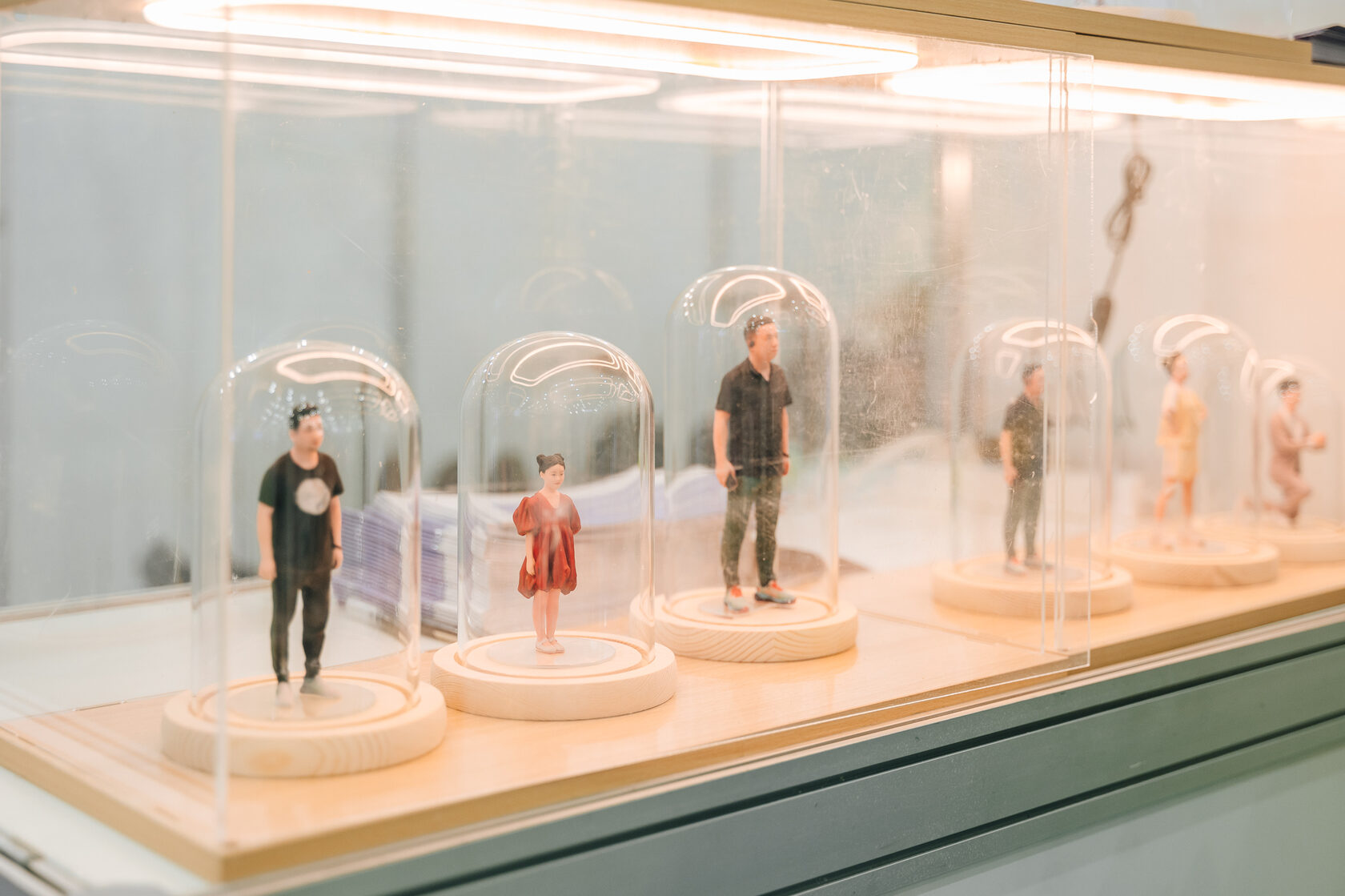
Another exhibit that drew particular interest was a 3D printer that can create a mini-copy of a person. The booth demonstrated the 360-degree scanning system in action and showcased the precise 3D replicas it produces. There were also premium Hauswirt coffee machines, which stand out to Russian consumers for their quality, affordability, and ability to compete with international brands.
One of this year’s largest product segments was health-related goods and useful gadgets. For example, a unique electronic suitcase attracted attention while driving around the demo area—it can reach speeds of up to 13 km/h and is capable of carrying not only belongings but also its owner. The idea is that travelers can sit on the e-suitcase and move comfortably through airports or train stations, making logistics easier while waiting for their departure.
Another exhibit that drew particular interest was a 3D printer that can create a mini-copy of a person. The booth demonstrated the 360-degree scanning system in action and showcased the precise 3D replicas it produces. There were also premium Hauswirt coffee machines, which stand out to Russian consumers for their quality, affordability, and ability to compete with international brands.
This season, the quality goods exhibition stood out from previous years not only because it was held at a new venue—the Timiryazev Centre, Moscow’s latest exhibition space—but also due to significant updates to its business program. For example, there was a strong focus on artificial intelligence in commerce, reflecting the rapidly shifting structure of trade towards IT and high-tech solutions.
During the session «Neural Networks for Marketplaces: How to Manage Processes Faster, More Efficiently, and at Lower Cost,» held on the exhibition’s final day, Alexander Chibisov, a neural networks expert from Zerocoder University, remarked: «Neural networks do not replace people—responsibility for results remains with the person who makes the final decision.» Kristina Kokina (Ozon University) followed with a practical master class on how sellers can profit from the upcoming New Year sales. She shared insights on choosing the most effective business model for Ozon and tips for creating situational content that helps sellers stand out—including how to leverage neural networks like WeShop and PhotoJam.
During the session «Neural Networks for Marketplaces: How to Manage Processes Faster, More Efficiently, and at Lower Cost,» held on the exhibition’s final day, Alexander Chibisov, a neural networks expert from Zerocoder University, remarked: «Neural networks do not replace people—responsibility for results remains with the person who makes the final decision.» Kristina Kokina (Ozon University) followed with a practical master class on how sellers can profit from the upcoming New Year sales. She shared insights on choosing the most effective business model for Ozon and tips for creating situational content that helps sellers stand out—including how to leverage neural networks like WeShop and PhotoJam.
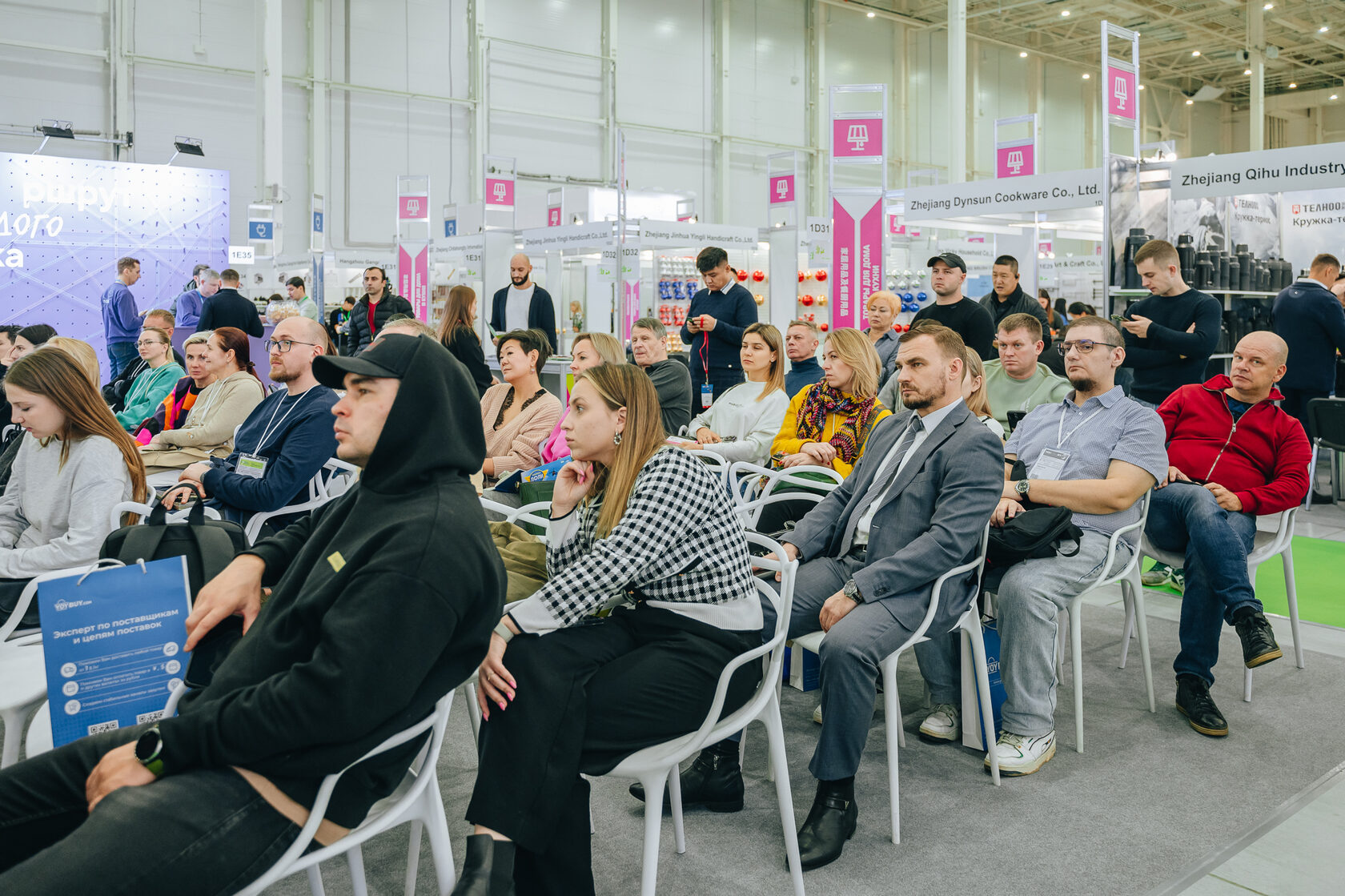
Participants also discussed the most relevant topics for working with Chinese products on marketplaces—from finding untapped niches, pricing, and current marketing tools to new logistics formats and global trade trends. Natalia Demina, Project Manager for entering the Chinese market at MPSTATS and a seller on Ozon/Wildberries, shared her insights on what to focus on first when choosing a niche for your business. During the special session «Analytics as a Tool for Successful Entry of Companies into the Russian E-Commerce Market,» she outlined a detailed list of criteria. These included assessing the average revenue of competitors and the average purchase (sell-through) rate in the chosen niche, as well as the degree of market monopolization. Among less obvious factors is seasonality: for example, coffee and tea reportedly sell better on Wednesdays and Saturdays.
Beyond trends in AI and marketplaces, the business program also featured discussions about banking support for international transactions. According to Yulia Geller (Ingosstrakh Bank), the share of successful payments to China has increased recently. This is attributed to the continued attractiveness of the Russian market for Chinese businesses, with the trade sector showing the greatest promise.
Beyond trends in AI and marketplaces, the business program also featured discussions about banking support for international transactions. According to Yulia Geller (Ingosstrakh Bank), the share of successful payments to China has increased recently. This is attributed to the continued attractiveness of the Russian market for Chinese businesses, with the trade sector showing the greatest promise.
Industrial horizons and forecasts
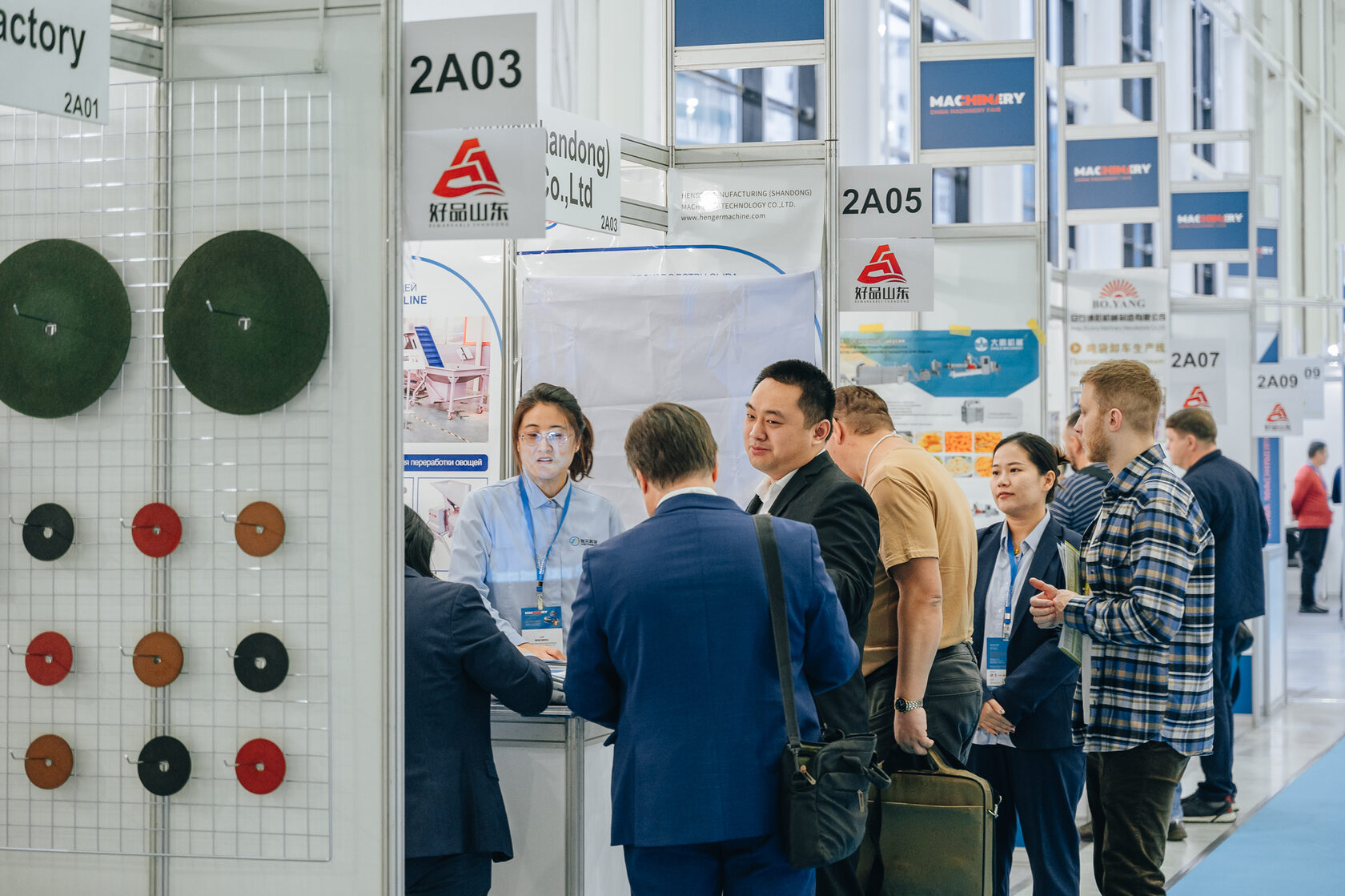
China’s exports to Russia are growing and filling the market niches that have become available. Cooperation between Russia and China is developing most actively in the field of mechanical engineering. China is the main supplier of industrial equipment and products for all types of engineering in Russia. «Many Chinese manufacturers and investors have plans for cooperation with Russia. In this regard, the exhibition serves as an effective platform for finding partners and building such partnerships,» noted Zhou Licun, Chairman of the Union of Chinese Entrepreneurs in Russia.
This year, more than 140 manufacturers of industrial equipment and components showcased their products at the China Machinery Fair. Among the participants, companies specializing in solutions for construction, industry, and agriculture, as well as electrical equipment, were especially prevalent.
This year, more than 140 manufacturers of industrial equipment and components showcased their products at the China Machinery Fair. Among the participants, companies specializing in solutions for construction, industry, and agriculture, as well as electrical equipment, were especially prevalent.
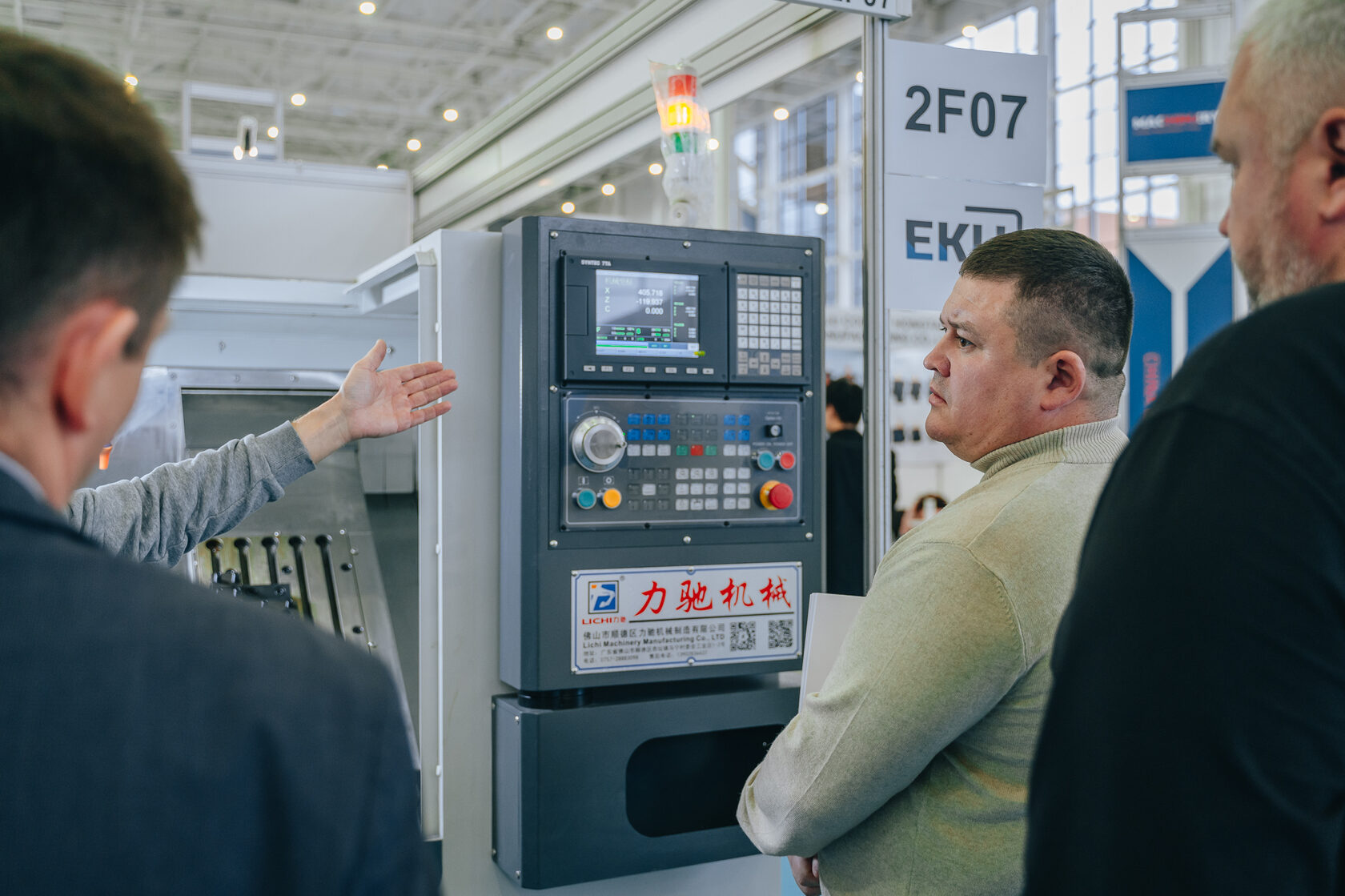
Participants showcased their latest developments: solar panels, navigation systems, AI-powered solutions, and a variety of auto components—including bearings, pumps, blowers, batteries, power equipment, and more. «This year, there are many more exhibits featuring construction machinery and spare parts at the expo. This is a natural response to growing demand,» emphasized Anna Goncharova, Commercial Director of Gefera Media.
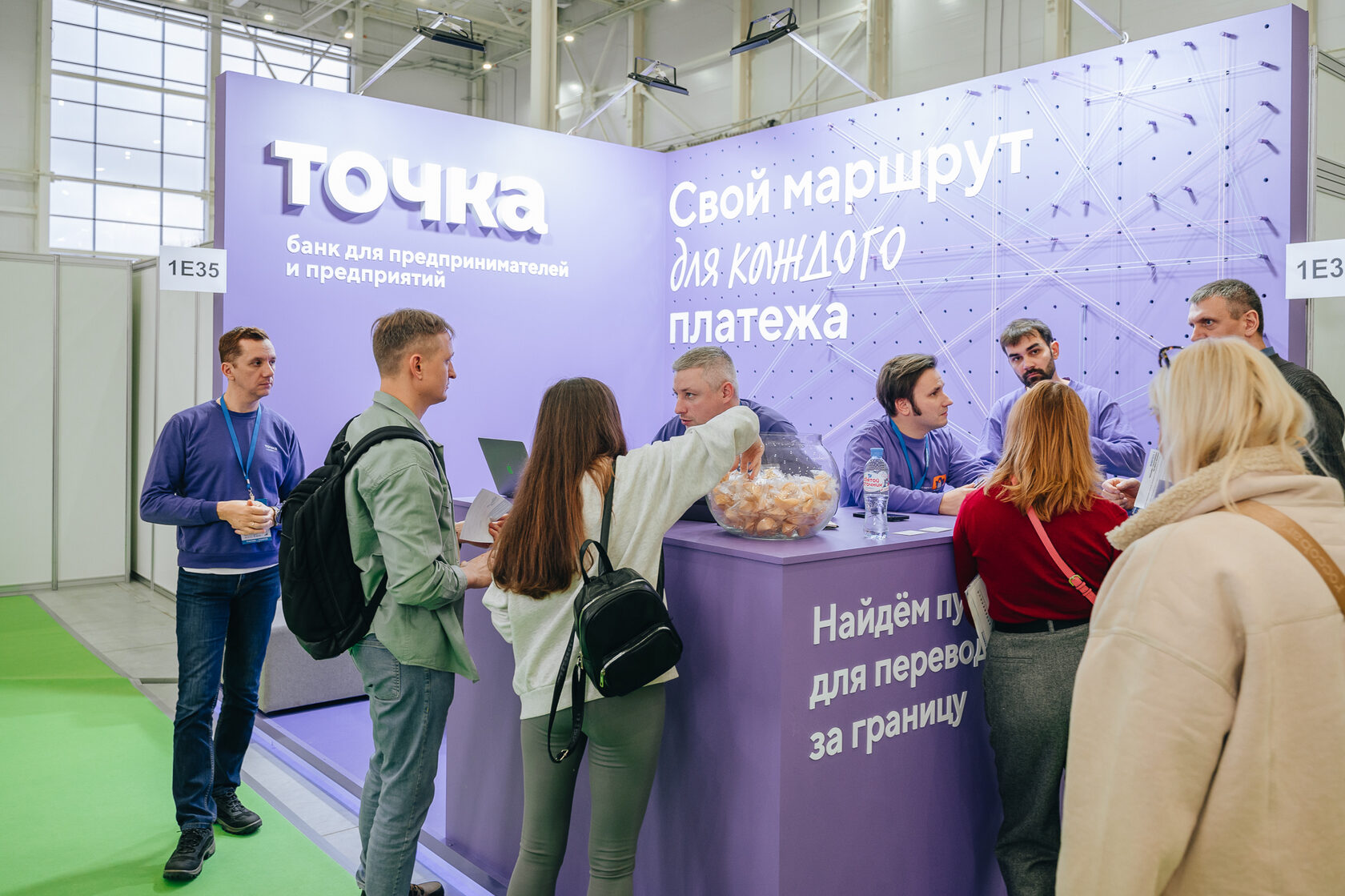
A special section—the Unified Consultation Center—was also available at the venue, represented by Russian companies ready to assist with logistics, bank transfers, fulfillment, and other aspects of working with China. This year, visitors had the opportunity for face-to-face consultations, forming new business connections with companies such as Alfa Bank, Joom Pro, Tochka Bank, TRASKO, and others.
A special section—the Unified Consultation Center—was also available at the venue, represented by Russian companies ready to assist with logistics, bank transfers, fulfillment, and other aspects of working with China. This year, visitors had the opportunity for face-to-face consultations, forming new business connections with companies such as Alfa Bank, Joom Pro, Tochka Bank, TRASKO, and others.
Until the final day, business discussions brought together Russian entrepreneurs, industrialists, specialists, and representatives of the Chinese Embassy to exchange experiences, analyze business cases, and outline future goals. Notably, a forecast was voiced that by 2030, mutual trade turnover could reach $300 billion.
«We are on an upward trajectory in our relations. We have long since exceeded our $200 billion trade turnover target. We hope to reach $300 billion. But as you know, the magic of large numbers is that the bigger the base you start from, the harder each subsequent percentage point becomes,» commented Sergey Krasilnikov, Vice President of the Russian Union of Industrialists and Entrepreneurs.
«We are on an upward trajectory in our relations. We have long since exceeded our $200 billion trade turnover target. We hope to reach $300 billion. But as you know, the magic of large numbers is that the bigger the base you start from, the harder each subsequent percentage point becomes,» commented Sergey Krasilnikov, Vice President of the Russian Union of Industrialists and Entrepreneurs.