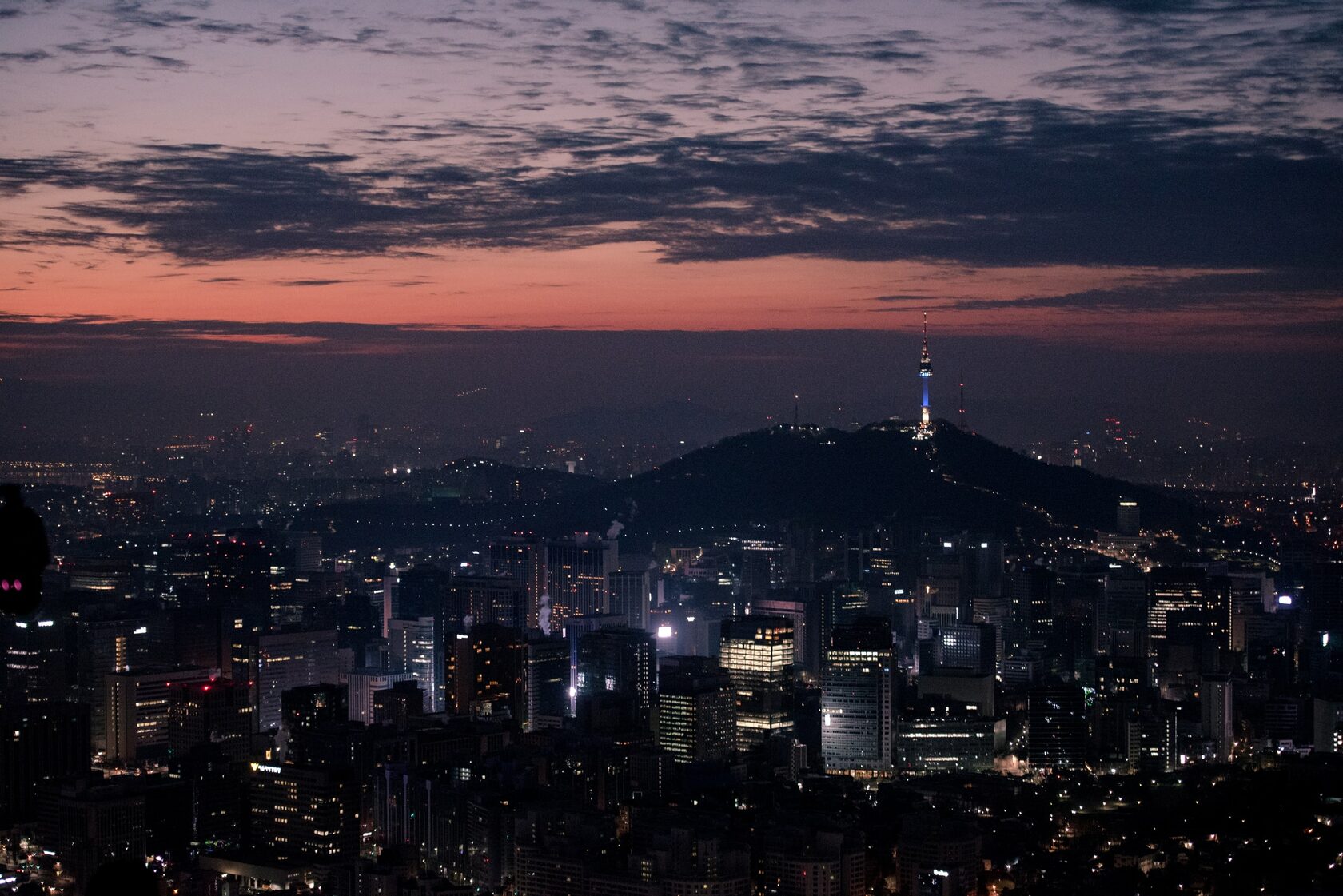
Large-scale urban agglomerations and super-cities together with their dependent suburbs will undoubtedly shape the world of the future. Agglomerations are densely populated megacities dominated by continuous development and highly developed transportation systems. It is in Asia where agglomerations first appeared and actively developed, many of which are now the largest in the world. The key factors behind this phenomenon include high population density and rapid economic growth. In this article, we will look at the largest Asian agglomerations, such as the Greater Bay Area, Greater Tokyo, Shanghai, Jakarta, Delhi, Seoul, Beijing, and others.
1. Greater Bay Area
(including Guangzhou, Hong Kong, Macau, Dongguan, Foshan, Jiangmen, Shenzhen, and Zhongshan)
1. Greater Bay Area
(including Guangzhou, Hong Kong, Macau, Dongguan, Foshan, Jiangmen, Shenzhen, and Zhongshan)
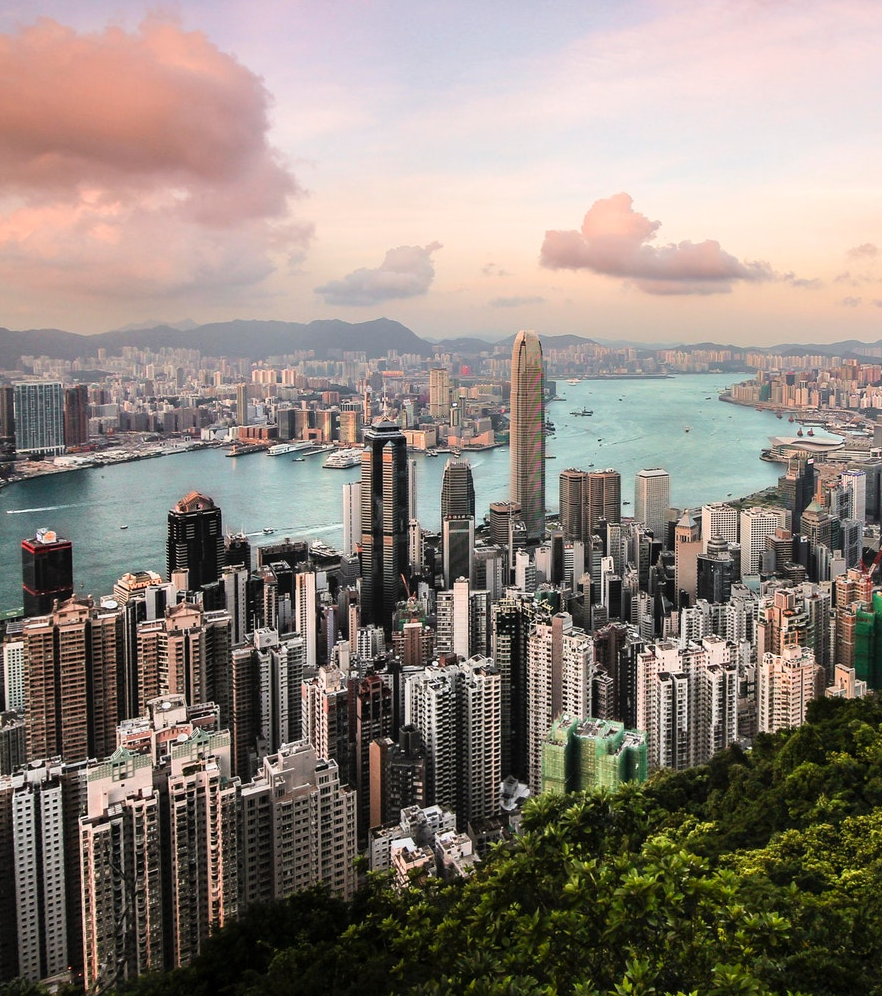
Population: 72 million
Area: 56,000 km²
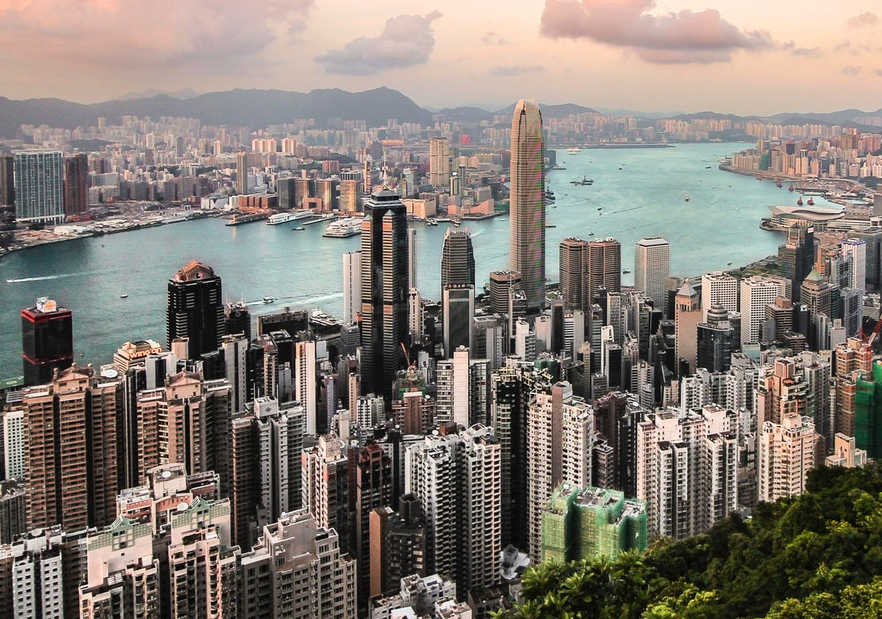
This largest agglomeration includes nine cities of Guangdong Province and the Special Administrative Regions of China—Hong Kong and Macau. The Greater Bay Area’s gross regional product is $1.6 trillion, which exceeds Russia’s GDP as of 2020. It’s no wonder the Greater Bay Area is considered China’s Silicon Valley, as the region is planned to become not only a financial center, but also a center for advanced technology, innovation, transportation, and tourism. Importantly, business conditions in the agglomeration will be the same as those in mainland China.
Russia is also interested in the development of the Greater Bay Area project. To support company growth in Guangdong Province, the Russian-Chinese Joint Fund was established in 2019, with an initial capital of $1 billion.
2. Greater Tokyo
Population: 40.5 million
Area: 14,000 km²
"Greater Tokyo," also known as the "Capital Region," consists of about 23 special wards and adjacent cities. Its status as a major international financial center is determined by the presence of Asia’s largest stock exchange and the head offices of the country's leading banks. Greater Tokyo specializes in the development of information technology and offers a wide range of modern technical and business services.
3. Shanghai
Population: 34.1 million
Area: 7,000 km²
Shanghai is now a major agglomeration, including 40 cities from neighboring provinces. The metropolis is equipped with a well-developed transport and social support system, and hosts numerous research and technical institutes. Its advantageous geographical location and proximity to waterways have made the Port of Shanghai the largest seaport in the world for many years. The Shanghai Stock Exchange is also located here—one of the largest in Asia by trading volume. Over time, Shanghai has become home to the headquarters of national corporations, banks, as well as factories of leading companies specializing in technology and electronics. Of all regions in China, Shanghai makes the greatest contribution to the country’s GDP.
The Shanghai agglomeration is the most densely populated and congested region in China. To relieve the super-city, the government plans to add five new cities to the agglomeration in the coming years.
4. Jakarta
Area: 56,000 km²
This largest agglomeration includes nine cities of Guangdong Province and the Special Administrative Regions of China—Hong Kong and Macau. The Greater Bay Area’s gross regional product is $1.6 trillion, which exceeds Russia’s GDP as of 2020. It’s no wonder the Greater Bay Area is considered China’s Silicon Valley, as the region is planned to become not only a financial center, but also a center for advanced technology, innovation, transportation, and tourism. Importantly, business conditions in the agglomeration will be the same as those in mainland China.
Russia is also interested in the development of the Greater Bay Area project. To support company growth in Guangdong Province, the Russian-Chinese Joint Fund was established in 2019, with an initial capital of $1 billion.
2. Greater Tokyo
Population: 40.5 million
Area: 14,000 km²
"Greater Tokyo," also known as the "Capital Region," consists of about 23 special wards and adjacent cities. Its status as a major international financial center is determined by the presence of Asia’s largest stock exchange and the head offices of the country's leading banks. Greater Tokyo specializes in the development of information technology and offers a wide range of modern technical and business services.
3. Shanghai
Population: 34.1 million
Area: 7,000 km²
Shanghai is now a major agglomeration, including 40 cities from neighboring provinces. The metropolis is equipped with a well-developed transport and social support system, and hosts numerous research and technical institutes. Its advantageous geographical location and proximity to waterways have made the Port of Shanghai the largest seaport in the world for many years. The Shanghai Stock Exchange is also located here—one of the largest in Asia by trading volume. Over time, Shanghai has become home to the headquarters of national corporations, banks, as well as factories of leading companies specializing in technology and electronics. Of all regions in China, Shanghai makes the greatest contribution to the country’s GDP.
The Shanghai agglomeration is the most densely populated and congested region in China. To relieve the super-city, the government plans to add five new cities to the agglomeration in the coming years.
4. Jakarta
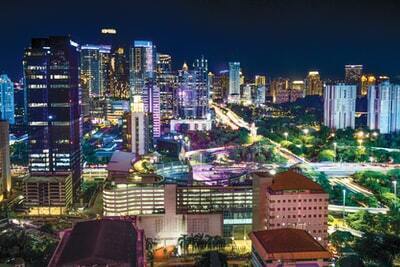
Population: 32.1 million
Area: 3,400 km²
In Jakarta, the capital of Indonesia, you’ll find the headquarters of the Central Bank of Indonesia, the country’s largest commercial banks, and major national companies. The agglomeration has also become the financial capital of Indonesia—Jakarta hosts a stock exchange whose trading volume ranks second in all of Asia. Over half of all investments in the region go to companies involved in mechanical engineering and the assembly of Japanese cars at their facilities.
5. Delhi
Population: 31.3 million
Area: 46,200 km²
Delhi is rightly considered one of the fastest-growing regions of India. Its favorable geographic location, as a factor in the agglomeration’s economic growth, attracts many entrepreneurs and professionals in modern industries, such as IT. Delhi is also a financial center—home to the Delhi Stock Exchange.
6. Manila
Area: 3,400 km²
In Jakarta, the capital of Indonesia, you’ll find the headquarters of the Central Bank of Indonesia, the country’s largest commercial banks, and major national companies. The agglomeration has also become the financial capital of Indonesia—Jakarta hosts a stock exchange whose trading volume ranks second in all of Asia. Over half of all investments in the region go to companies involved in mechanical engineering and the assembly of Japanese cars at their facilities.
5. Delhi
Population: 31.3 million
Area: 46,200 km²
Delhi is rightly considered one of the fastest-growing regions of India. Its favorable geographic location, as a factor in the agglomeration’s economic growth, attracts many entrepreneurs and professionals in modern industries, such as IT. Delhi is also a financial center—home to the Delhi Stock Exchange.
6. Manila
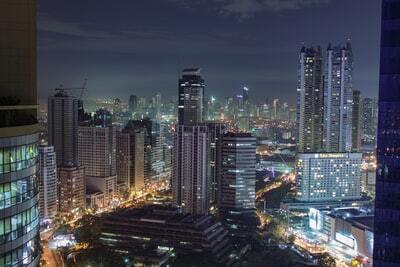
Population: 26.3 million
Area: 638.5 km²
Sixteen metropolises, including the capital of the Philippines, have been merged to form the "Greater Manila" agglomeration. This area is the most densely populated region in the country. "Greater Manila" hosts the nation’s largest seaport and international airport, which makes it a major transportation hub. The area has also become the financial center of the Philippines: the Philippine Stock Exchange, leading banks registered in Manila, national corporations, and transnational companies all make a significant contribution to the country’s GDP.
7. Mumbai
Population: 25.6 million
Area: 603 km²
Mumbai is considered the economic capital of India. With its developed infrastructure and relatively high standard of living, this agglomeration attracts top professionals from various sectors. An important factor in Mumbai’s development is its favorable geographical location: the city is home to one of India’s largest seaports and a key transportation hub for international trade. Mumbai is also the base for numerous private and state financial institutions, as well as major stock exchanges—the National Stock Exchange of India and the Bombay Stock Exchange.
8. Seoul
Area: 638.5 km²
Sixteen metropolises, including the capital of the Philippines, have been merged to form the "Greater Manila" agglomeration. This area is the most densely populated region in the country. "Greater Manila" hosts the nation’s largest seaport and international airport, which makes it a major transportation hub. The area has also become the financial center of the Philippines: the Philippine Stock Exchange, leading banks registered in Manila, national corporations, and transnational companies all make a significant contribution to the country’s GDP.
7. Mumbai
Population: 25.6 million
Area: 603 km²
Mumbai is considered the economic capital of India. With its developed infrastructure and relatively high standard of living, this agglomeration attracts top professionals from various sectors. An important factor in Mumbai’s development is its favorable geographical location: the city is home to one of India’s largest seaports and a key transportation hub for international trade. Mumbai is also the base for numerous private and state financial institutions, as well as major stock exchanges—the National Stock Exchange of India and the Bombay Stock Exchange.
8. Seoul
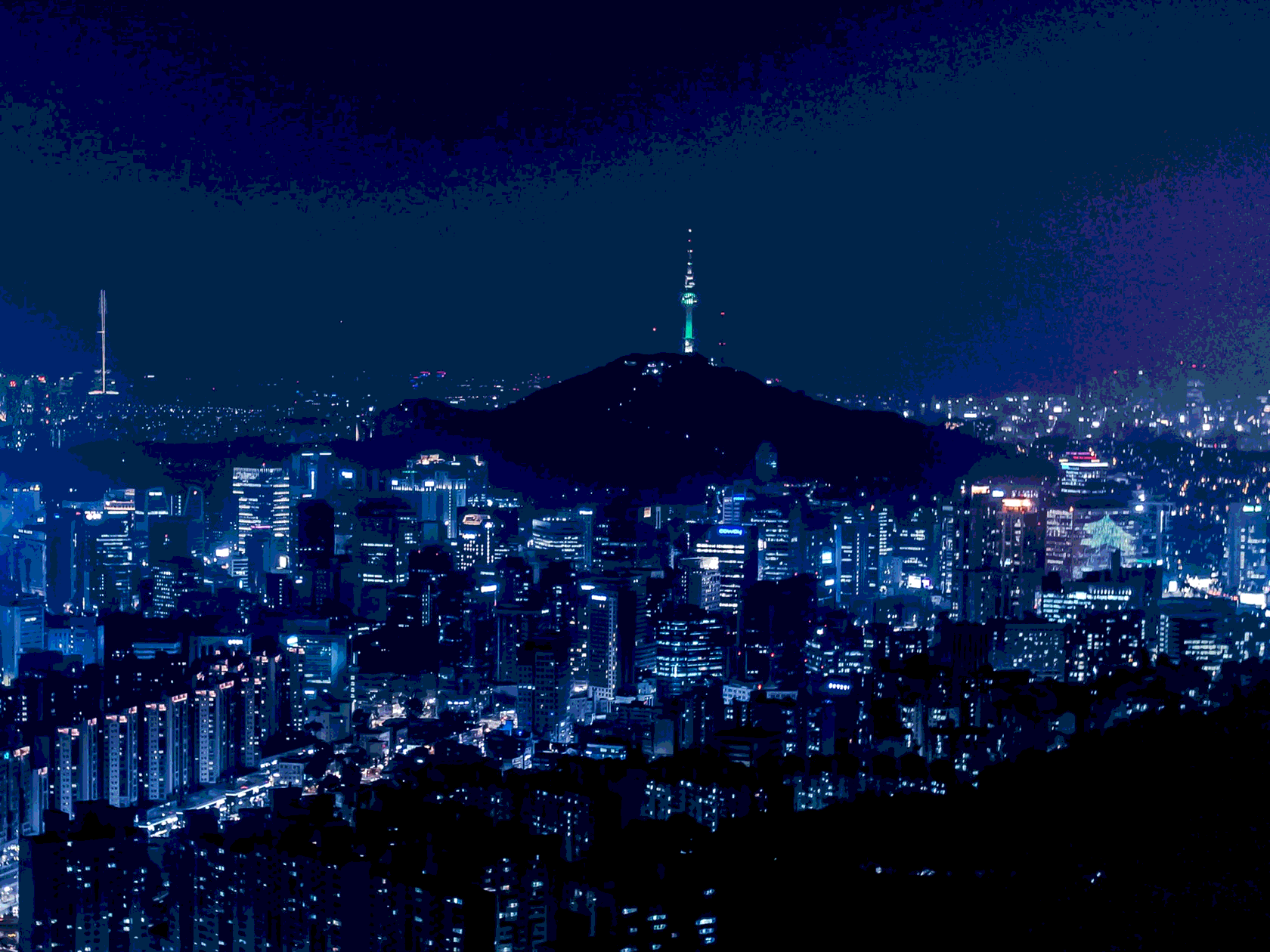
Population: 25 million
Area: 11,700 km²
The capital of South Korea, Seoul, contributes more than half of the country’s total GDP. This agglomeration consists of three administrative regions: Seoul, Incheon, and Gyeonggi-do. Many leading international corporations have offices and headquarters here. Unsurprisingly, this city is also one of the largest financial centers in Asia.
9. Dhaka
Population: 20.3 million
Area: 816 km²
Dhaka, the capital of Bangladesh, is known for having one of the highest annual population growth rates not only in Asia, but in the world. This is primarily due to the large influx of migrants from rural regions of Bangladesh. Per capita GDP, as well as other economic indicators, remains quite low. The main contributors to the economy are state-owned enterprises and family holdings.
10. Beijing
Area: 11,700 km²
The capital of South Korea, Seoul, contributes more than half of the country’s total GDP. This agglomeration consists of three administrative regions: Seoul, Incheon, and Gyeonggi-do. Many leading international corporations have offices and headquarters here. Unsurprisingly, this city is also one of the largest financial centers in Asia.
9. Dhaka
Population: 20.3 million
Area: 816 km²
Dhaka, the capital of Bangladesh, is known for having one of the highest annual population growth rates not only in Asia, but in the world. This is primarily due to the large influx of migrants from rural regions of Bangladesh. Per capita GDP, as well as other economic indicators, remains quite low. The main contributors to the economy are state-owned enterprises and family holdings.
10. Beijing
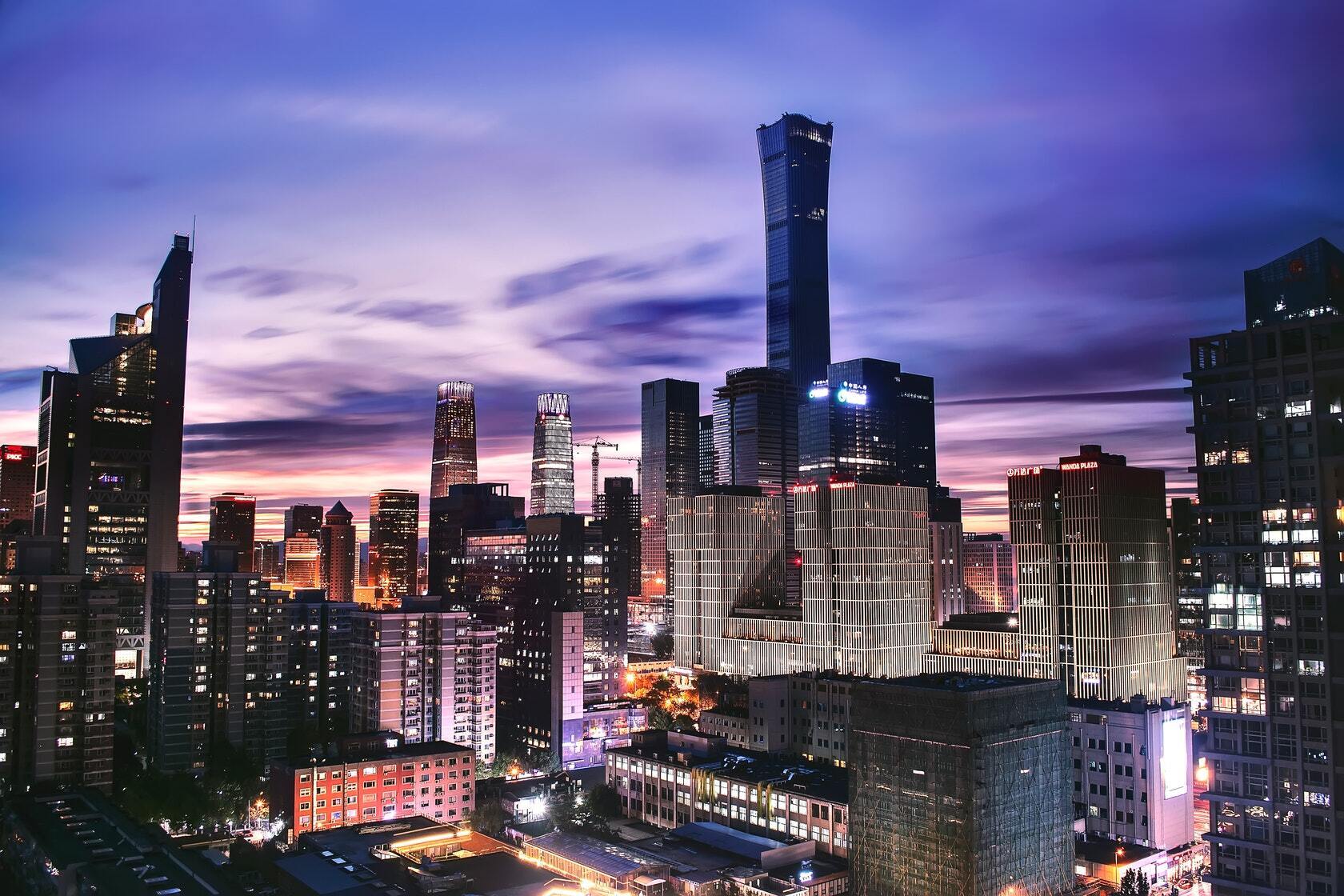
- Численность населения: 25 млн. человек
- Площадь: 16,4 тыс. км²
В Пекине, столице КНР, расположено большое количество государственных учреждений и различных предприятий, в том числе и военной промышленности, а также основные научно-исследовательские центры. Кроме того, по причине удобного географического положения, Пекин также является важным транспортным хабом Китая. Именно столица зачастую становится местом проведения встреч высокопоставленных лиц, международных конференций и экономических форумов.
О РАСПП

The Russian-Asian Union of Industrialists and Entrepreneurs (RASPP) is a public organization implementing government cooperation programs aimed at strengthening collaboration between public and business associations in Russia and Asian countries.
One of RASPP’s key objectives is to support the business communities of Russia and Asia in developing and strengthening multilateral relations, as well as attracting investment into the Russian Federation. Over 10 years of activity, RASPP has attracted more than $800 billion in direct foreign investment to Russia and increased trade turnover by more than $1 billion.
RASPP specializes in business solutions for import, export, investment attraction, and implementation of investment projects in Asian countries, as well as organizing business events and missions in these areas. RASPP also provides assistance and helps companies find industrial equipment in China free of charge.
Advantages:
One of RASPP’s key objectives is to support the business communities of Russia and Asia in developing and strengthening multilateral relations, as well as attracting investment into the Russian Federation. Over 10 years of activity, RASPP has attracted more than $800 billion in direct foreign investment to Russia and increased trade turnover by more than $1 billion.
RASPP specializes in business solutions for import, export, investment attraction, and implementation of investment projects in Asian countries, as well as organizing business events and missions in these areas. RASPP also provides assistance and helps companies find industrial equipment in China free of charge.
Advantages:
- Over 10 years of experience
- Russian-speaking specialists in China
- Turnkey supply organization