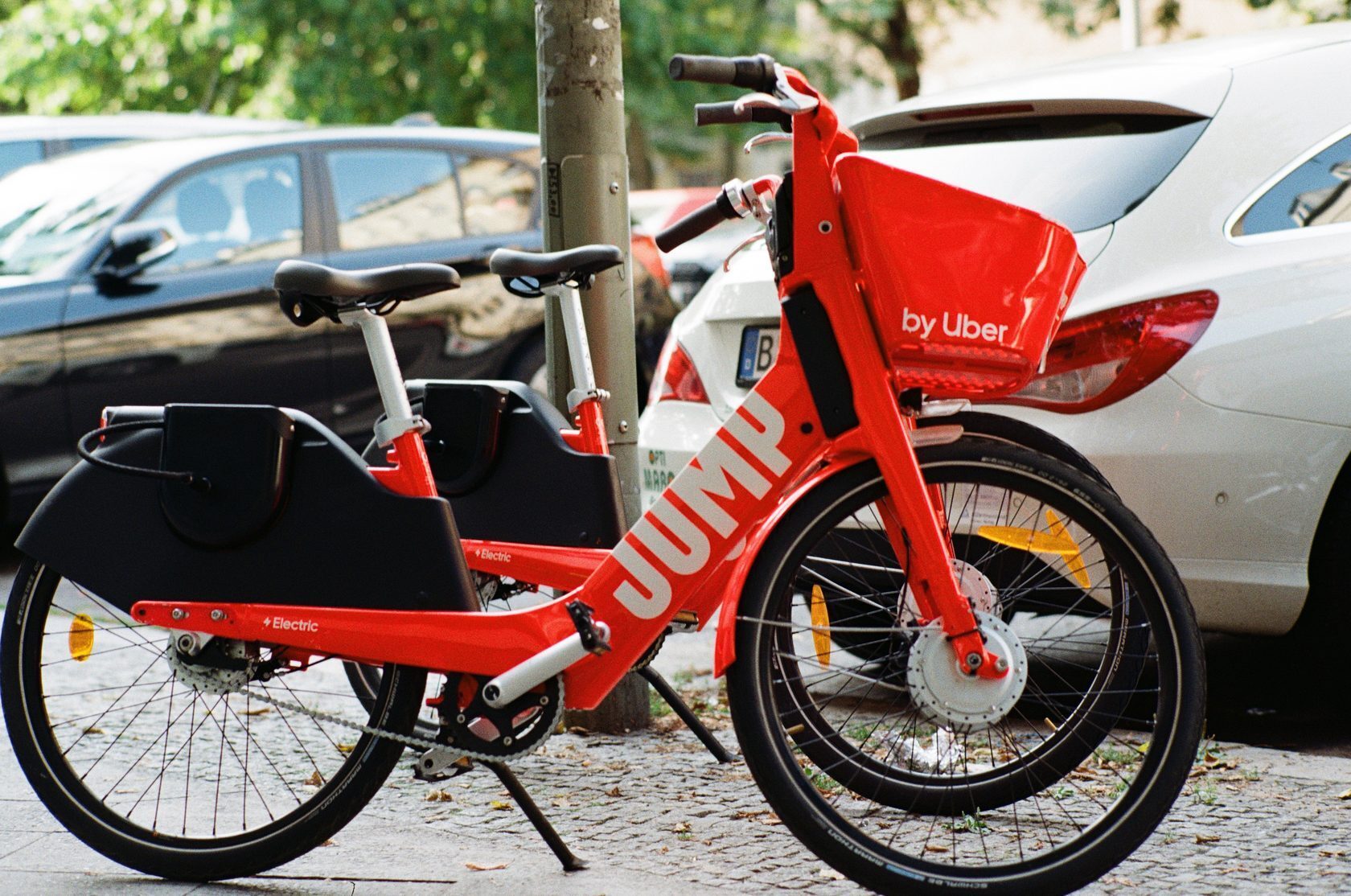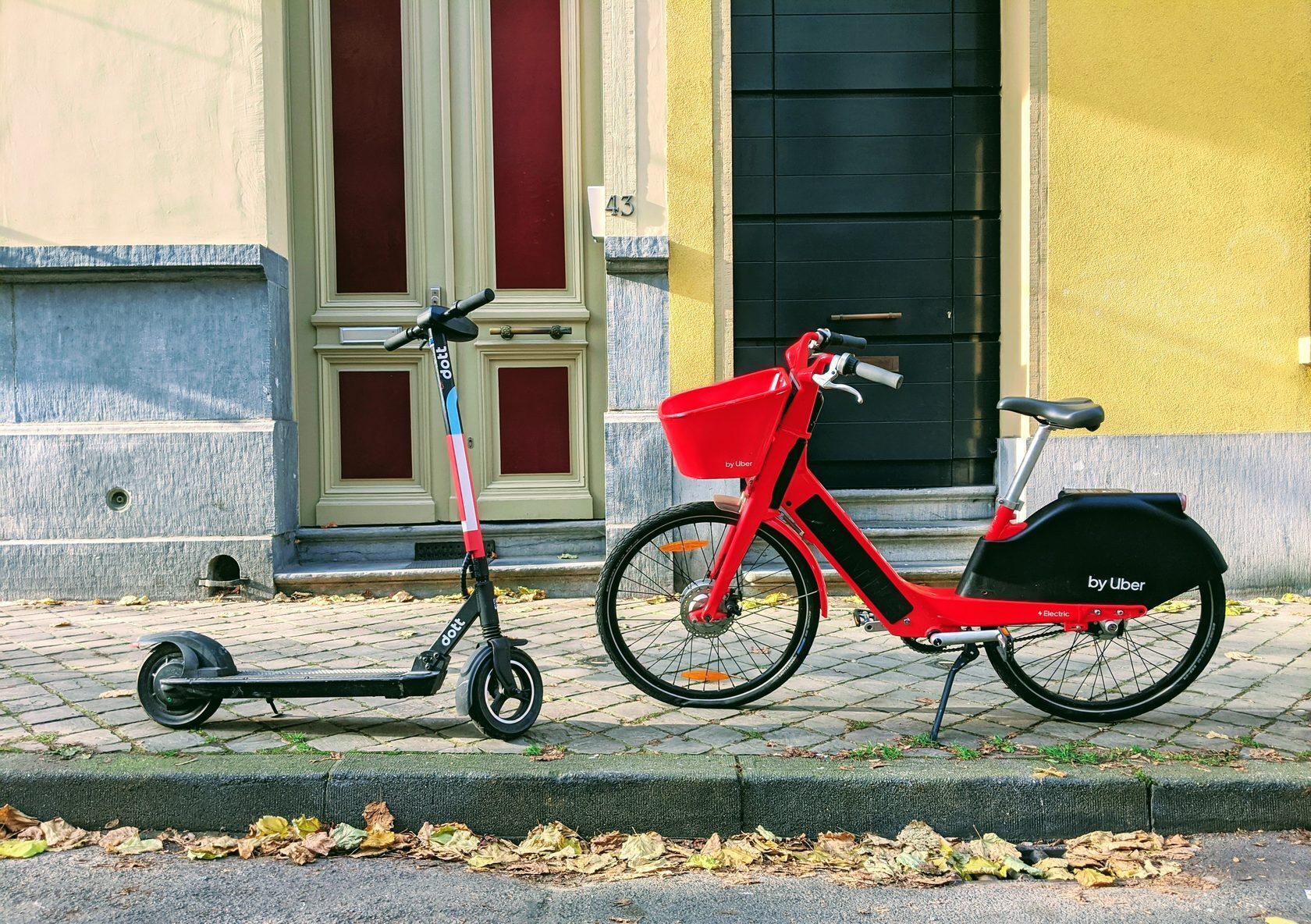
In Russia, the demand for personal electric transport has grown, major retailers and marketplaces told Vedomosti. In the electronics and home appliance stores "M.Video" and "Eldorado," growth reached 25% in unit sales and 70% in revenue compared to June of last year, according to their representative. On AliExpress, the sales spike occurred in May—in the first three weeks of the month, electric scooter sales on the platform increased by 350% compared to April 2020, the company noted.
Top 3 Electric Transportation Devices
The most popular type of electric transport is the electric scooter, which accounts for more than 50% of unit sales in this category on AliExpress. Figures for “M.Video” and “Eldorado”:
The Russian electric transport market continues to grow rapidly, attracting more people who want to get around faster, without heavy physical exertion or harm to the environment, says Vadim Yeremin, head of the “Gadgets and Innovations” department at the “M.Video–Eldorado” Group. He claims that electric scooters are currently the most popular transportation device: easy to use, safe, and compact for getting around the city at speeds up to 25 km/h for both short and long distances—over 20 km on one battery charge. Scooters are used for commuting, recreation, and according to Yeremin, are also in demand among couriers and employees moving around large worksites.
An AliExpress representative agrees that the electric scooter has become one of the most comfortable ways to move around the city. In addition to convenience, demand for electric scooters is also driven by Chinese sellers offering good, inexpensive models. Popular models on the marketplace include the Kugoo S3, Ninebot Max G30, and Xiaomi MiJia M365.
The most popular type of electric transport is the electric scooter, which accounts for more than 50% of unit sales in this category on AliExpress. Figures for “M.Video” and “Eldorado”:
- 77% of personal mobility devices purchased were electric scooters,
- 22% were hoverboards and unicycles,
- 1% were electric bicycles.
The Russian electric transport market continues to grow rapidly, attracting more people who want to get around faster, without heavy physical exertion or harm to the environment, says Vadim Yeremin, head of the “Gadgets and Innovations” department at the “M.Video–Eldorado” Group. He claims that electric scooters are currently the most popular transportation device: easy to use, safe, and compact for getting around the city at speeds up to 25 km/h for both short and long distances—over 20 km on one battery charge. Scooters are used for commuting, recreation, and according to Yeremin, are also in demand among couriers and employees moving around large worksites.
An AliExpress representative agrees that the electric scooter has become one of the most comfortable ways to move around the city. In addition to convenience, demand for electric scooters is also driven by Chinese sellers offering good, inexpensive models. Popular models on the marketplace include the Kugoo S3, Ninebot Max G30, and Xiaomi MiJia M365.
Three Reasons for the Demand
The increase in individual mobility device sales was driven by three main factors, says Mikhail Burmistrov, CEO of Infoline-Analytics. First, the explosive growth of online sales—especially groceries and restaurant food—increased demand for courier delivery services and thus the number of couriers. Electric scooters are an alternative to traditional bicycles, the primary transport for couriers. However, not all e-scooter models are suitable, due to water-resistance limitations and insufficient battery capacity for all-day travel.
The second factor is that in spring, many residents of Moscow and Saint Petersburg relocated to the countryside or dachas—here, models with larger wheels and shock absorbers are in demand for practical purposes (like shopping trips) and recreation.
In March, as Muscovites switched to self-isolation, public transport ridership declined by over 70%, TASS reported. By June, it had only begun to recover. Many urban residents were not ready to return to the subway due to infection risks, so they turned to personal electric transport as an alternative to public transit and bicycles, says Burmistrov.
The Potential of Bicycle Culture in Russia
The search for alternatives to public transport is not unique to Russia. Bicycle manufacturers on Western and Asian markets have been unable to keep up with skyrocketing demand during the pandemic, according to the Financial Times. For example, Foxintelligence data shows that online bicycle sales in France jumped 350% in April. However, Burmistrov notes that the potential for electric transport development in Russia is currently even higher than in European countries with established bicycle cultures. While cycling never fully took off in Russia, the trend toward abandoning personal cars and reducing public transport use is already underway.
Source: Vedomosti
The increase in individual mobility device sales was driven by three main factors, says Mikhail Burmistrov, CEO of Infoline-Analytics. First, the explosive growth of online sales—especially groceries and restaurant food—increased demand for courier delivery services and thus the number of couriers. Electric scooters are an alternative to traditional bicycles, the primary transport for couriers. However, not all e-scooter models are suitable, due to water-resistance limitations and insufficient battery capacity for all-day travel.
The second factor is that in spring, many residents of Moscow and Saint Petersburg relocated to the countryside or dachas—here, models with larger wheels and shock absorbers are in demand for practical purposes (like shopping trips) and recreation.
In March, as Muscovites switched to self-isolation, public transport ridership declined by over 70%, TASS reported. By June, it had only begun to recover. Many urban residents were not ready to return to the subway due to infection risks, so they turned to personal electric transport as an alternative to public transit and bicycles, says Burmistrov.
The Potential of Bicycle Culture in Russia
The search for alternatives to public transport is not unique to Russia. Bicycle manufacturers on Western and Asian markets have been unable to keep up with skyrocketing demand during the pandemic, according to the Financial Times. For example, Foxintelligence data shows that online bicycle sales in France jumped 350% in April. However, Burmistrov notes that the potential for electric transport development in Russia is currently even higher than in European countries with established bicycle cultures. While cycling never fully took off in Russia, the trend toward abandoning personal cars and reducing public transport use is already underway.
Source: Vedomosti