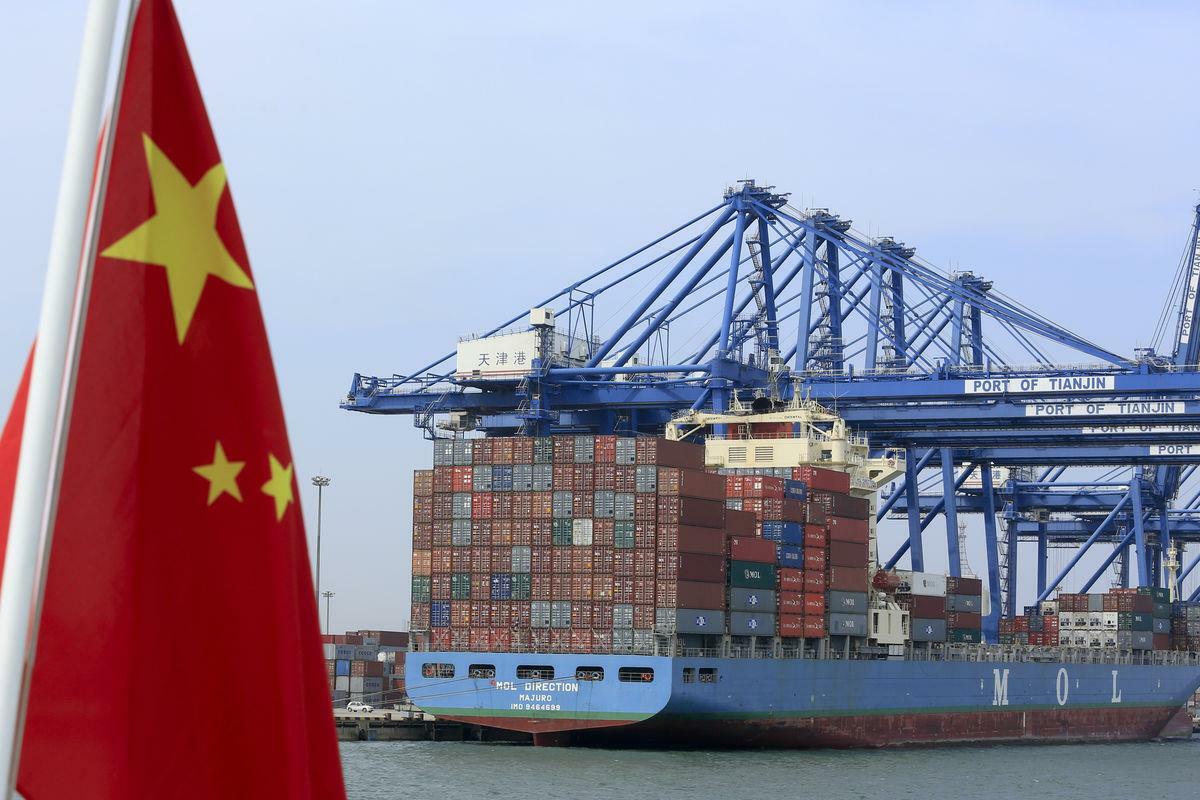
China is the largest and most interesting market for all suppliers, but, unfortunately, it’s far from the easiest to conquer. The main reason is that the Chinese clearly understand that everyone wants to do business there—so any decision about cooperation becomes a high-level negotiation. So, what makes the Chinese market attractive, and why is it so difficult to achieve volume sales quickly, even if the product seems to be in demand? We’ll examine this question together with Business Panda—a company that helps Russian brands enter the Chinese market.
How do Chinese consumers make purchasing decisions?
Almost every manufacturer believes that their product will fly off the shelves as soon as it hits the Chinese market…
But let’s note the main reasons Chinese consumers buy imported products:
A common misconception is that a magical Chinese distributor will come and buy goods from the manufacturer/seller in Russia, invest in logistics, customs clearance, certification, promotion, and advertising—all at their own expense. This leads to unrealistic expectations for Russian manufacturers. In reality, for a Chinese distributor to pay attention to your product, it must already be recognizable in China—so a lot of groundwork needs to be done at the outset.
How do Chinese consumers make purchasing decisions?
Almost every manufacturer believes that their product will fly off the shelves as soon as it hits the Chinese market…
But let’s note the main reasons Chinese consumers buy imported products:
- The brand is well-known and trusted — 50%
- Recommended by a trusted person (government, bloggers, public figures) — 40%
- Out of curiosity; for a one-time purchase — 10%
A common misconception is that a magical Chinese distributor will come and buy goods from the manufacturer/seller in Russia, invest in logistics, customs clearance, certification, promotion, and advertising—all at their own expense. This leads to unrealistic expectations for Russian manufacturers. In reality, for a Chinese distributor to pay attention to your product, it must already be recognizable in China—so a lot of groundwork needs to be done at the outset.
Step-By-Step Product Entry into the Chinese Market
Step 1. Collect Analytics. Conduct multi-level marketing research.
Required actions:
Step 1. Collect Analytics. Conduct multi-level marketing research.
Required actions:
- Analyze demand. Conduct consumer testing with control groups.
- Study both foreign and local products/analogs that are already successful in the Chinese market.
- Analyze the product and its composition and packaging for compliance with sanitary and hygiene regulations and Chinese legislation.
- Define the product's positioning and pricing, taking into account the specifics of the market, culture and mentality, taste preferences, and visual perception of Chinese consumers.
- Insights into how Chinese consumers perceive the product properties, taste, packaging, and appearance.
- Recommendations for improving product appeal to maximize customer satisfaction.
- A clear understanding of the most effective positioning for your product.
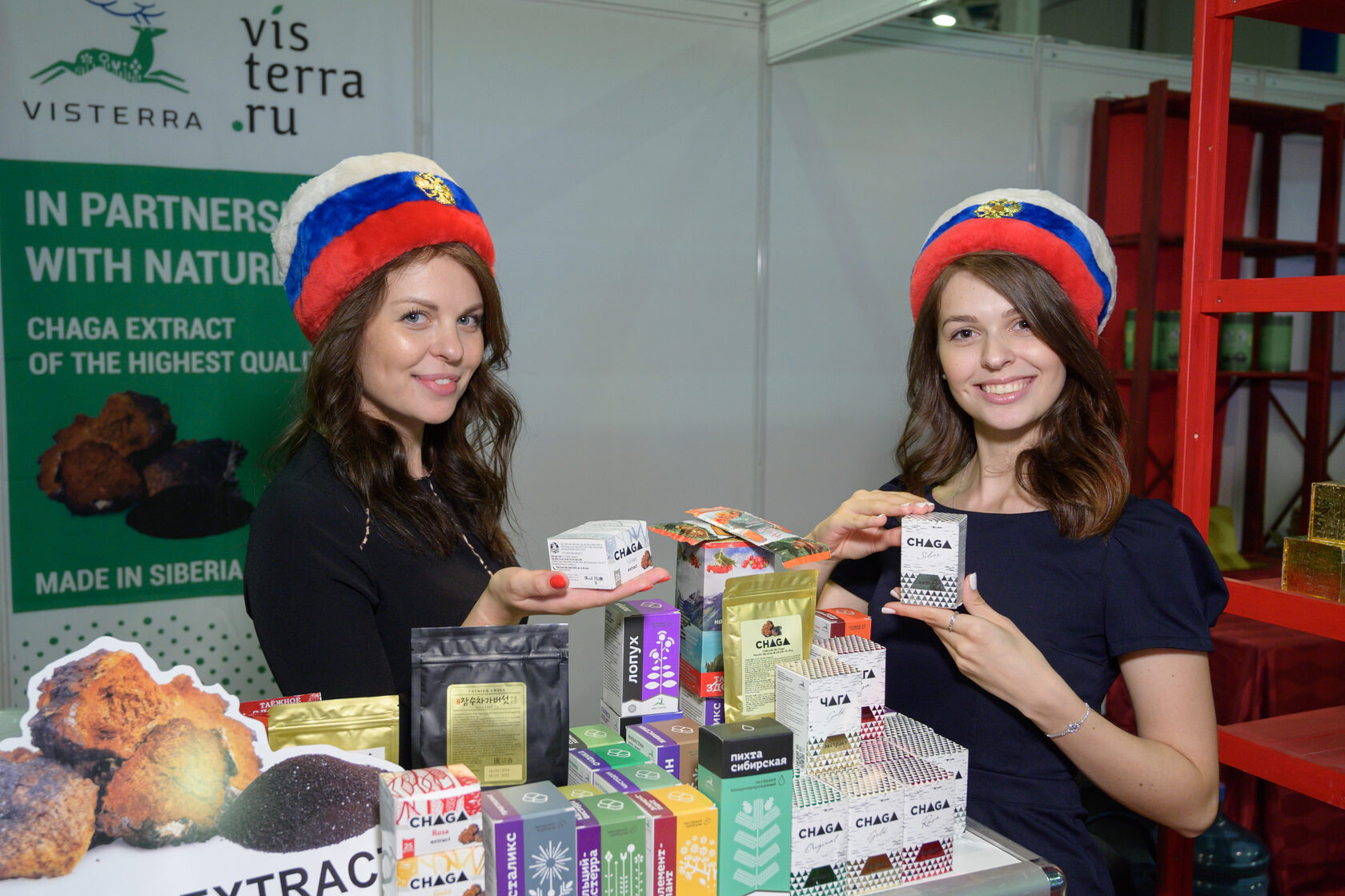
Step 2. Strategy. Developing a Comprehensive Launch Program and a Plan for the Successful Entry of Your Product into the Chinese Market
Required actions:
Required actions:
- Developing a product promotion strategy.
- Identifying the most profitable and effective sales channels in China for your product.
- A clear plan for launching and scaling up sales of your product in the Chinese market.
- An understanding of the costs involved in entering the Chinese market.
Step 3. Adaptation. Localization of the Product and Advertising Materials
Required actions:
Required actions:
- Developing a unique design and packaging; preparing and localizing advertising materials.
- Processing all required permits in China, obtaining certificates and licenses.
- Adapting the trademark and copyright for the Chinese market, including registration in Chinese.
- A product and packaging adapted for the Chinese market.
- All the required permits for successful export to China.
Here’s the English translation:
Step 2. Strategy. Developing a Comprehensive Launch Program and a Plan for the Successful Entry of Your Product into the Chinese Market
Required actions:
As a result, you get:
Step 3. Adaptation. Localization of the Product and Advertising Materials
Required actions:
As a result, you get:
Step 4. Promotion. Digital Marketing, SMM Trade, and Event Marketing
Required actions:
As a result, you get:
A fast sales launch for your product in China, the ability to scale sales through new channels, and enhanced brand promotion.
Step 5. Preparing a Logistics Map. Logistics and Customs Clearance.
Step 2. Strategy. Developing a Comprehensive Launch Program and a Plan for the Successful Entry of Your Product into the Chinese Market
Required actions:
- Developing a product promotion strategy.
- Identifying the most profitable and effective sales channels in China for your product.
As a result, you get:
- A clear plan for launching and scaling up sales of your product in the Chinese market.
- An understanding of the costs involved in entering the Chinese market.
Step 3. Adaptation. Localization of the Product and Advertising Materials
Required actions:
- Developing a unique design and packaging; preparing and localizing advertising materials.
- Processing all required permits in China, obtaining certificates and licenses.
- Adapting the trademark and copyright for the Chinese market, including registration in Chinese.
As a result, you get:
- A product and packaging adapted for the Chinese market.
- All the required permits for successful export to China.
Step 4. Promotion. Digital Marketing, SMM Trade, and Event Marketing
Required actions:
- Launching test sales of your product in China.
- Advertising with Chinese bloggers and key opinion leaders (KOLs); launching an online store on Chinese e-commerce platforms; entering Chinese retail.
- Organizing product presentations, tastings, production tours, and business trips.
As a result, you get:
A fast sales launch for your product in China, the ability to scale sales through new channels, and enhanced brand promotion.
Step 5. Preparing a Logistics Map. Logistics and Customs Clearance.

About Business Panda
Business Panda is the operator of the "Russian Commodities Pavilion" project in Chengdu, Sichuan Province, PRC—one of the largest platforms, bringing together over 1,000 Chinese trading agents.
The Russian Commodities Pavilion is a platform for effective entry of Russian brands’ products into the Chinese market, fostering cultural, economic, regional, and intergovernmental connections. The project is implemented with the support of the Chengdu Bureau of Commerce (PRC).
Business Panda LLC wishes you a successful launch and great sales volumes in the Chinese export market.
Business Panda is the operator of the "Russian Commodities Pavilion" project in Chengdu, Sichuan Province, PRC—one of the largest platforms, bringing together over 1,000 Chinese trading agents.
The Russian Commodities Pavilion is a platform for effective entry of Russian brands’ products into the Chinese market, fostering cultural, economic, regional, and intergovernmental connections. The project is implemented with the support of the Chengdu Bureau of Commerce (PRC).
Business Panda LLC wishes you a successful launch and great sales volumes in the Chinese export market.