In short—yes. Globally speaking, trade turnover between Russia and China has increased by 31.4% and has already reached $117 billion in less than a year.
Trade Challenges in Numbers and Trends: Exports of High-Tech Products to Russia Grew by 50%
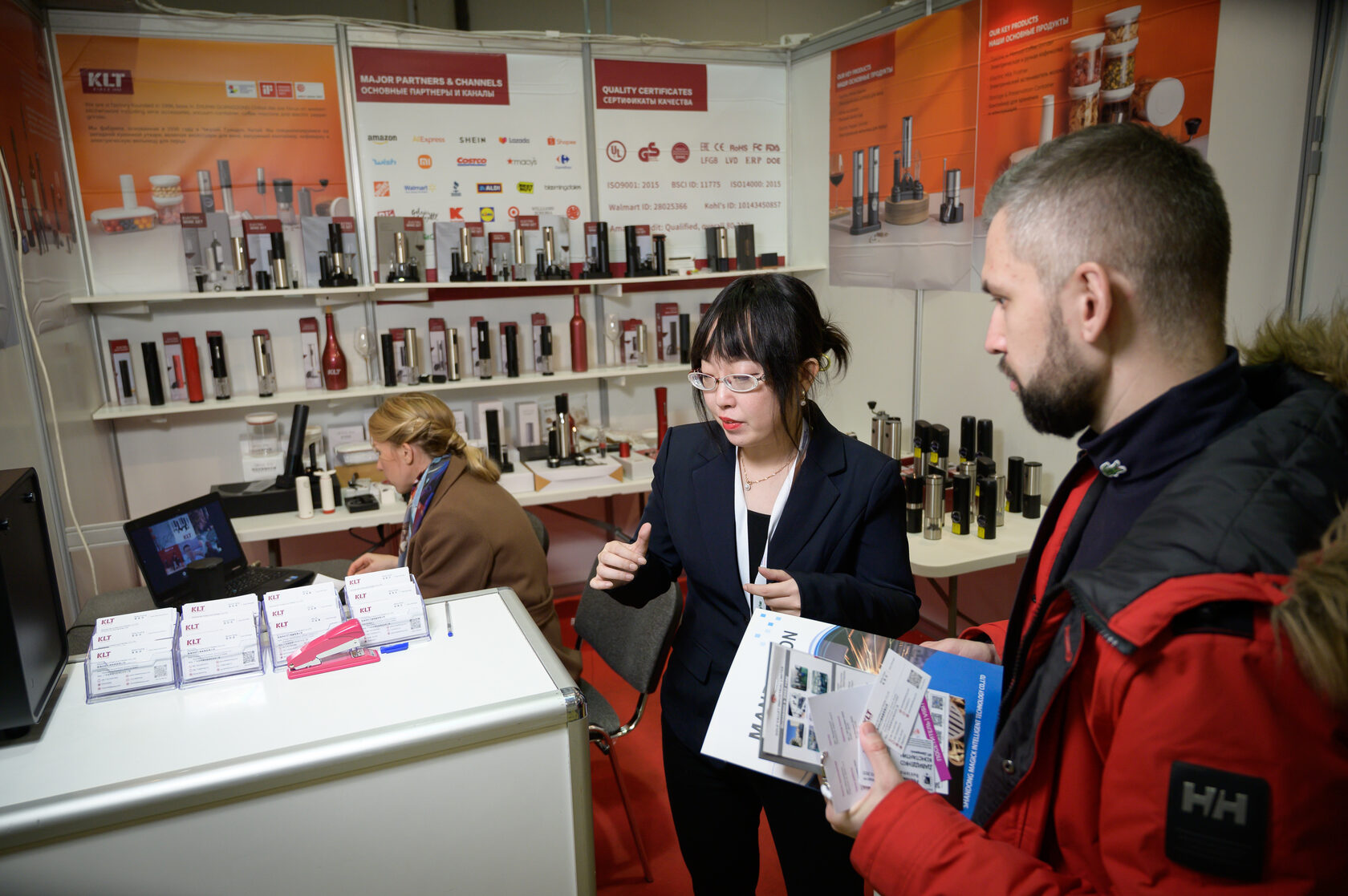
These figures were announced at the opening of the Chinese Enterprises Brand Zone from October 24–26 as part of the International Commodity Fair 2022, held at the Expocentre in Moscow. Manufacturers, suppliers, sellers, and executives of industry organizations, including government representatives, discussed the challenges and prospects of trade relations between Russia and China in the current geopolitical and economic climate.
The event was organized with the support of the Ministry of Commerce of the PRC, the Department of Trade Development, the China Chamber of Commerce for Import and Export of Machinery and Electronic Products, as well as provincial trade committees of China, and with the participation of the Chamber of Commerce and Industry of Russia.
Trade Challenges in Numbers and Trends: Exports of High-Tech Products to Russia Grew by 50%
These figures were announced at the opening of the Chinese Enterprises Brand Zone from October 24–26 as part of the International Commodity Fair 2022, held at the Expocentre in Moscow. Manufacturers, suppliers, sellers, and executives of industry organizations, including government representatives, discussed the challenges and prospects of trade relations between Russia and China in the current geopolitical and economic climate.
The event was organized with the support of the Ministry of Commerce of the PRC, the Department of Trade Development, the China Chamber of Commerce for Import and Export of Machinery and Electronic Products, as well as provincial trade committees of China, and with the participation of the Chamber of Commerce and Industry of Russia.
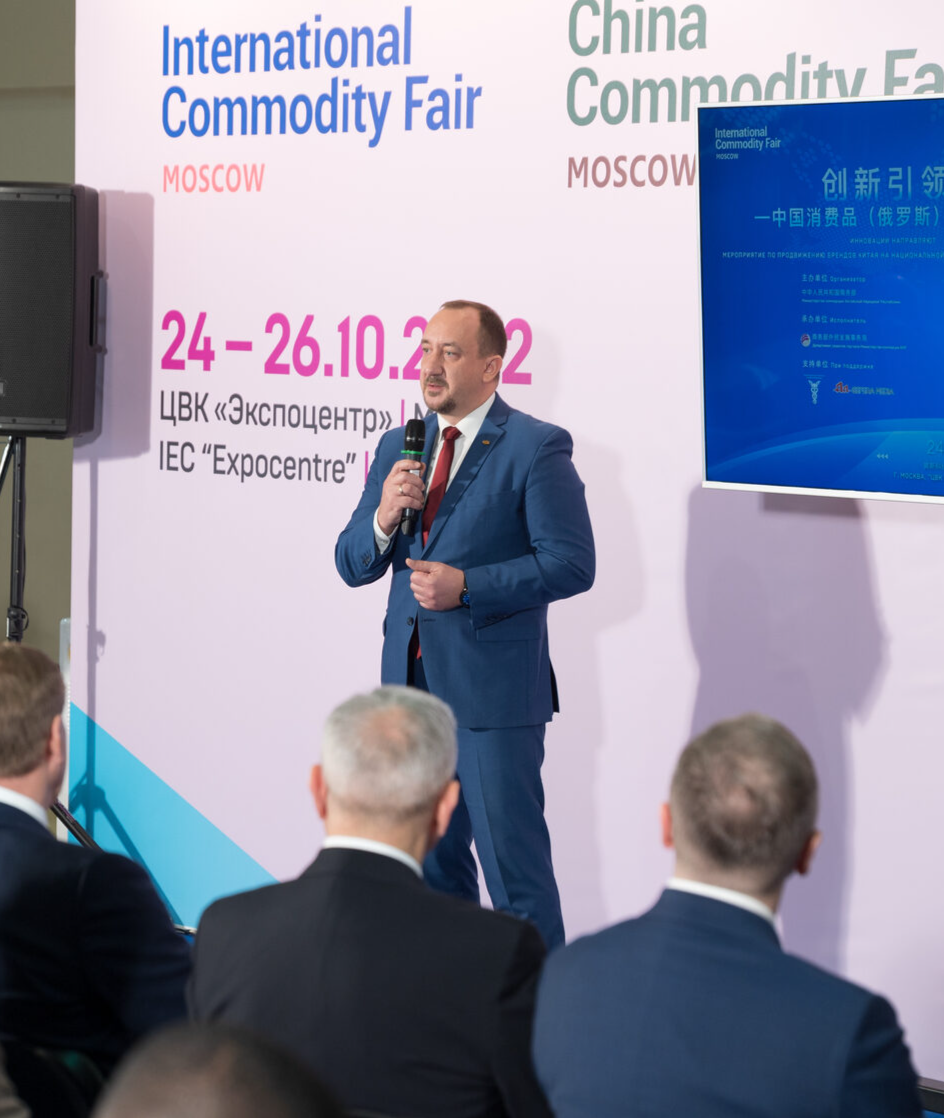
More than 200 Chinese brands participated in the trade fair, including high-tech companies and manufacturers of household appliances and consumer electronics. In his welcome speech, Mr. Liu Xuesun, Minister of Economy and Commerce of the Embassy of the PRC in Russia, stated that, for the first time in history, Russian-Chinese trade turnover surpassed the $100 billion mark within the first three quarters of the year, reaching $117 billion—an increase of 31.4% compared to the same period in 2021. This achievement comes despite various business restrictions due to the pandemic as well as geopolitical events.
In particular, Chinese exports of high-tech products to Russia grew by 50%, with especially rapid growth in the export of air conditioners and household appliances. For example, in recent years, sales of household appliances from well-known Chinese brands such as Haier, Huawei, Xiaomi, and others have sharply increased in Russia.
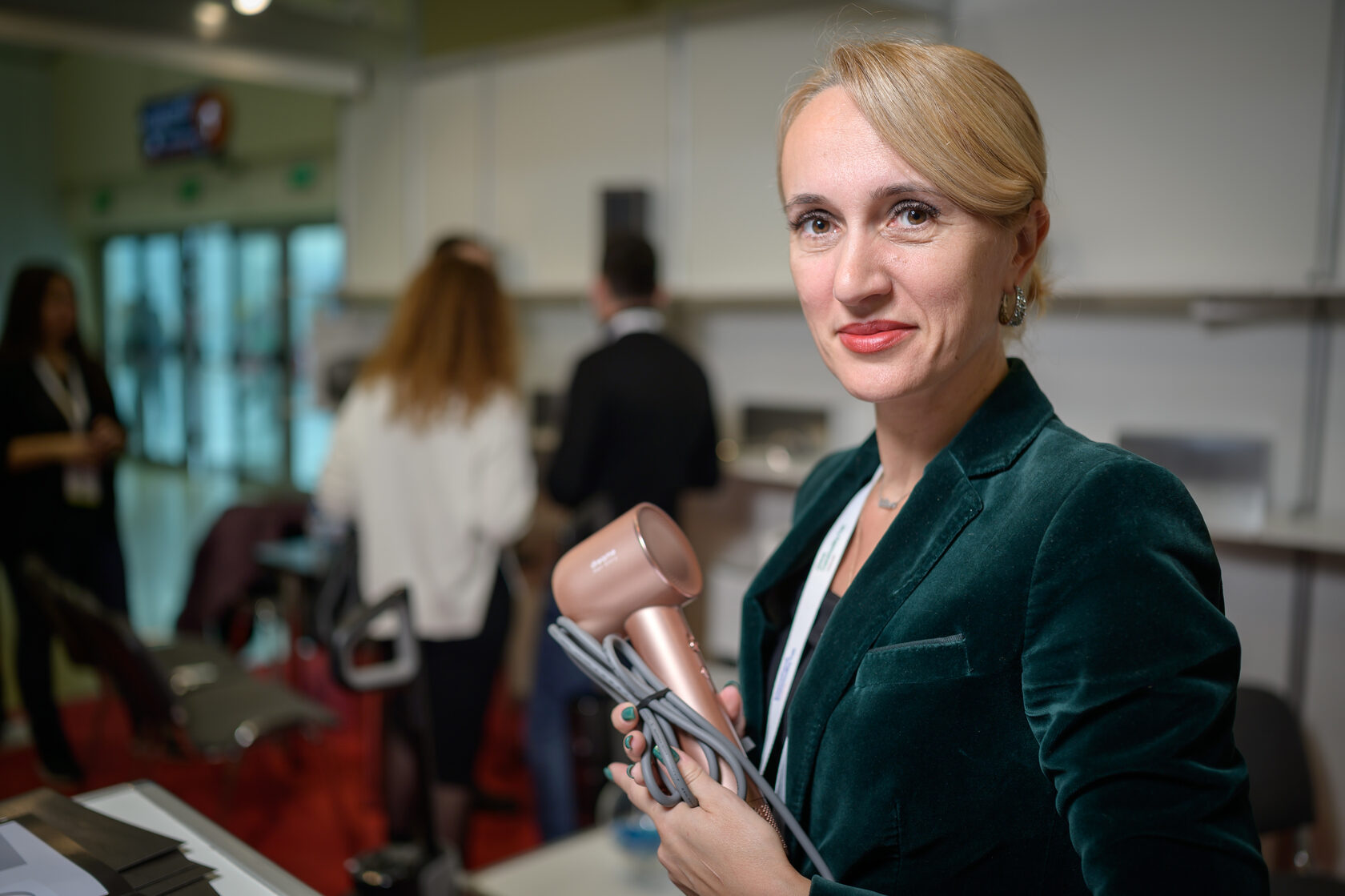
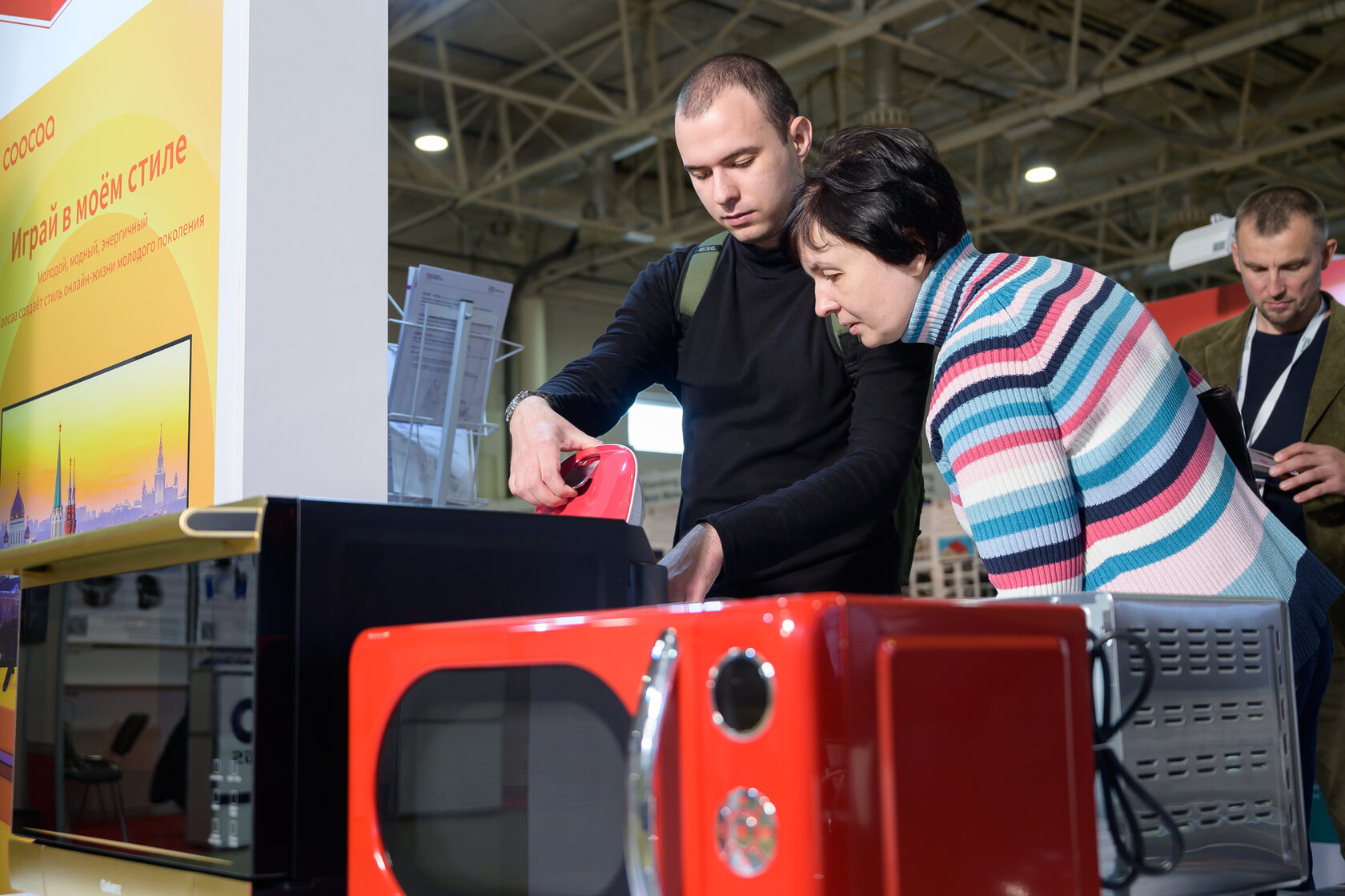
This year’s trade fair features displays of the latest models of robot vacuum cleaners, as well as Dyson-style hair dryer alternatives demonstrated by Dreame Technologies. Visitors are also drawn to the eye-catching home appliance displays from Cixi Gstar Electric Appliance and the window-cleaning robot showcased by AVALON.
In particular, Chinese exports of high-tech products to Russia grew by 50%, with especially rapid growth in the export of air conditioners and household appliances. For example, in recent years, sales of household appliances from well-known Chinese brands such as Haier, Huawei, Xiaomi, and others have sharply increased in Russia.
This year’s trade fair features displays of the latest models of robot vacuum cleaners, as well as Dyson-style hair dryer alternatives demonstrated by Dreame Technologies. Visitors are also drawn to the eye-catching home appliance displays from Cixi Gstar Electric Appliance and the window-cleaning robot showcased by AVALON.
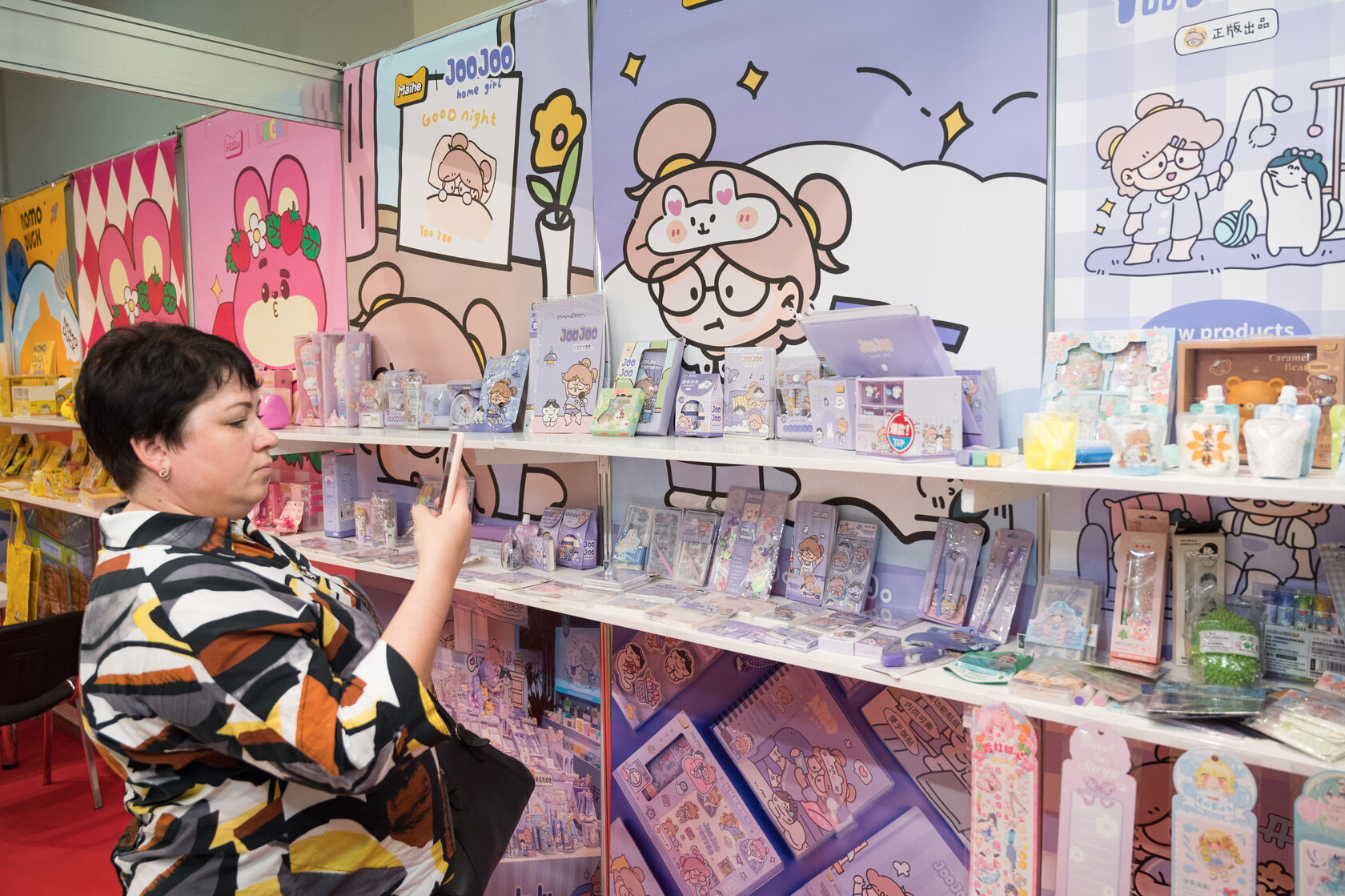
Interestingly, unlike in the Chinese market, the latter device (window-cleaning robot) is still not very common in Russia. It is possible that, thanks to the extensive presentation of this gadget’s capabilities at the exhibition, Russian consumers will come to appreciate its functionality.
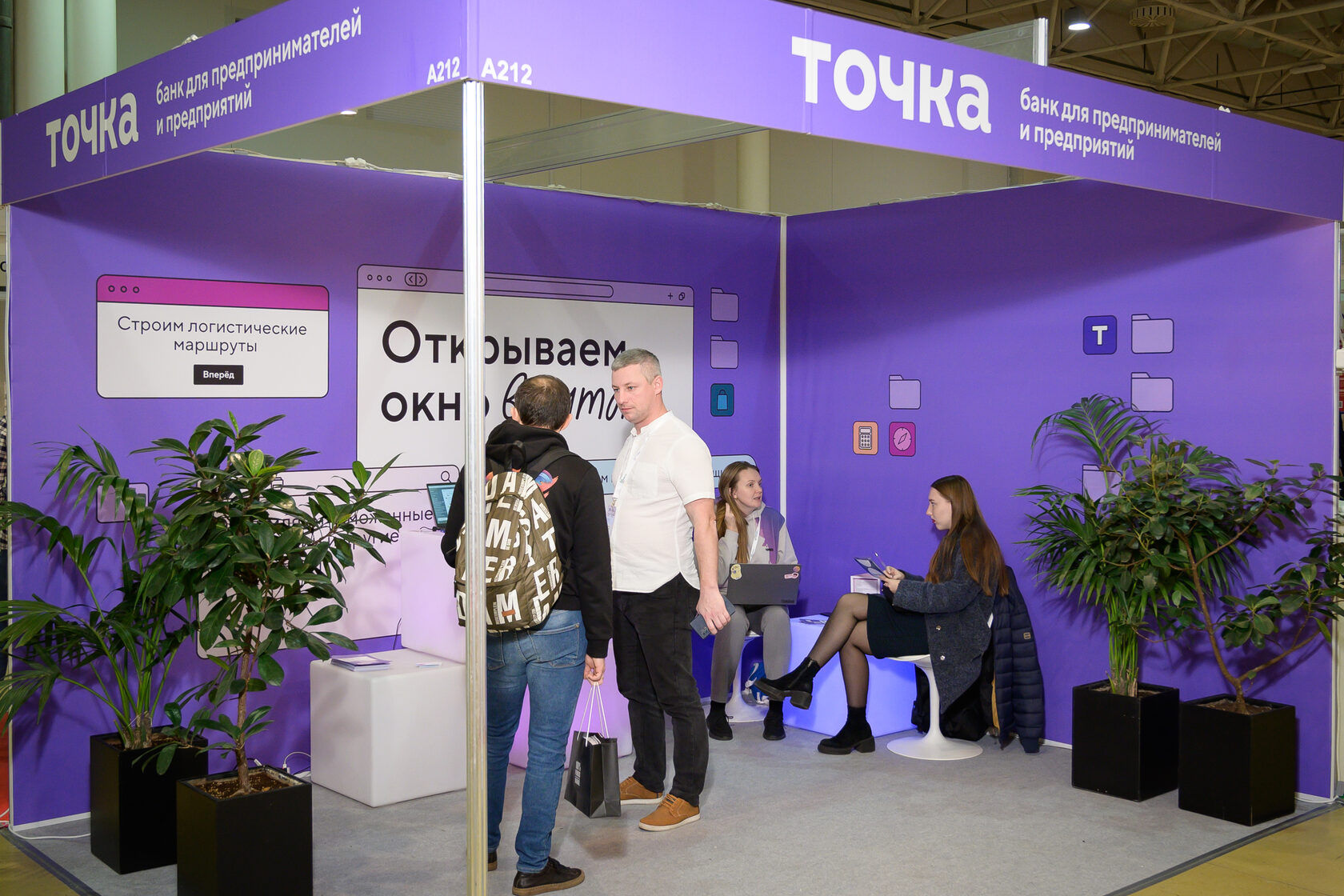
The event also features several service companies ready to support businesses in promoting goods and working with China—such as b2basket, Maed, Tochka Bank, MarketPapa, and JoomPro.
All experts, both during the official opening and later in the business program, noted that the pandemic years and the new challenges of this year have significantly affected the balance of power in Russia’s domestic market.
The event also features several service companies ready to support businesses in promoting goods and working with China—such as b2basket, Maed, Tochka Bank, MarketPapa, and JoomPro.
All experts, both during the official opening and later in the business program, noted that the pandemic years and the new challenges of this year have significantly affected the balance of power in Russia’s domestic market.
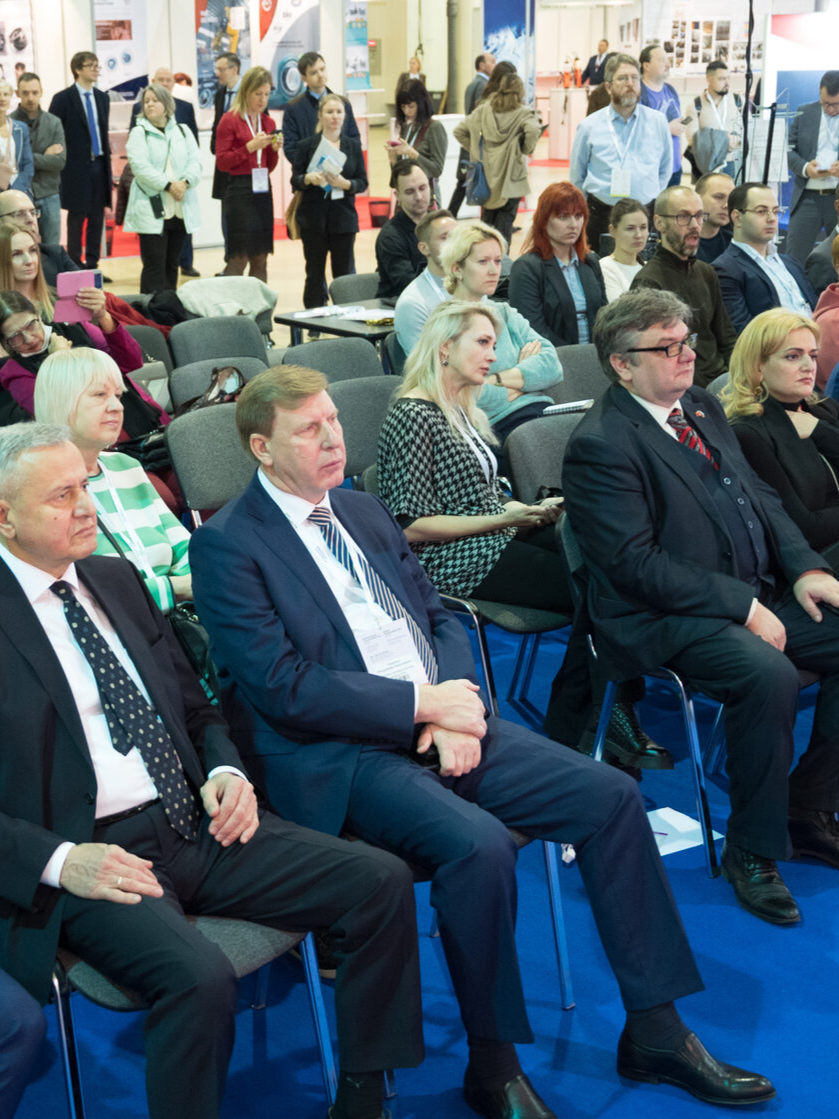
In this context, the words of Vladimir Padalko, Vice President of the Chamber of Commerce and Industry of Russia, sounded particularly relevant: he noted that the very fact of holding an annual exhibition with China is of significant positive importance for the market. On one hand, the event enhances the reputation of Chinese brands, thereby stimulating Russian consumer demand for their products. On the other hand, it motivates Chinese manufacturers towards further innovation. Altogether, this works to strengthen collaboration between Chinese and Russian enterprises, the expert is convinced.
Stanislav Pugachev, General Manager of Galanz Russia, also noted the renewed enthusiasm of domestic business on the local market, which was facilitated by the exit of leading European brands from Russia. He cited as an example the increased interest in household appliance manufacturing among many market players after one of the well-known German dishwasher manufacturers withdrew from the market. «Nearly 40% of the market became available, and many companies are planning to develop in this segment specifically through cooperation with China,» commented the Galanz representative.
Stanislav Pugachev, General Manager of Galanz Russia, also noted the renewed enthusiasm of domestic business on the local market, which was facilitated by the exit of leading European brands from Russia. He cited as an example the increased interest in household appliance manufacturing among many market players after one of the well-known German dishwasher manufacturers withdrew from the market. «Nearly 40% of the market became available, and many companies are planning to develop in this segment specifically through cooperation with China,» commented the Galanz representative.
On steps and mistakes in business: switch to yuan and calculate risks
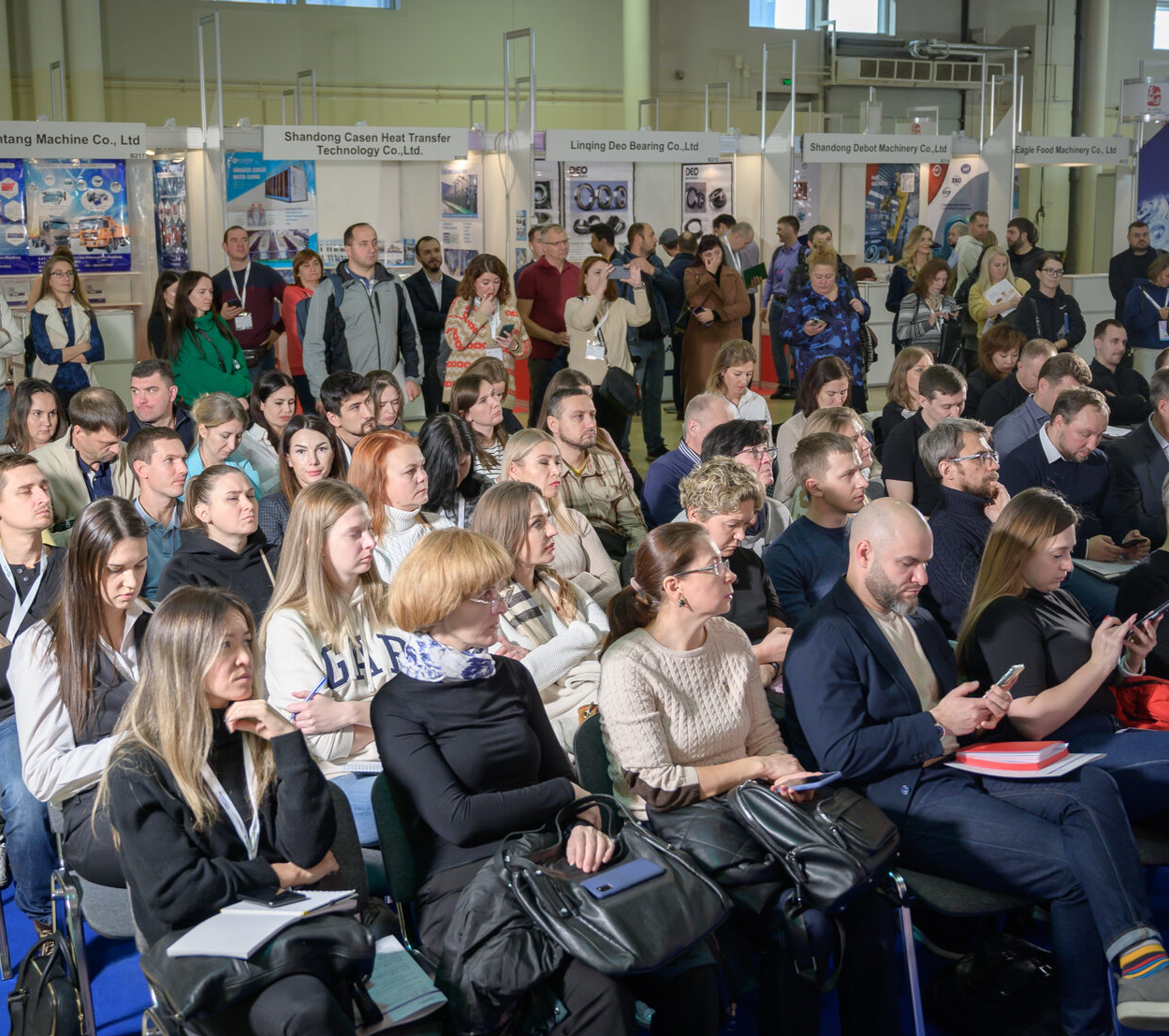
Visitors had the opportunity to thoroughly discuss how to effectively build a business in the current environment and how marketplaces can help boost sales at the Russia–China Forum «Business with China: Marketplaces and New Realities,» held on October 25.
The presentation by Ivan Bugai, Head of the «Durable Goods» business group at the SberMegaMarket marketplace, who shared his experience of launching the «Home Goods» segment from scratch, resonated strongly with the audience. Under his leadership, the business group was the first to achieve operational profitability on the marketplace. The expert urged everyone planning to develop their business on online platforms to pay attention to three crucial steps: analyze your product, assess competitiveness, and be sure to compare commission rates across all marketplaces you’re considering for launch.
Visitors had the opportunity to thoroughly discuss how to effectively build a business in the current environment and how marketplaces can help boost sales at the Russia–China Forum «Business with China: Marketplaces and New Realities,» held on October 25.
The presentation by Ivan Bugai, Head of the «Durable Goods» business group at the SberMegaMarket marketplace, who shared his experience of launching the «Home Goods» segment from scratch, resonated strongly with the audience. Under his leadership, the business group was the first to achieve operational profitability on the marketplace. The expert urged everyone planning to develop their business on online platforms to pay attention to three crucial steps: analyze your product, assess competitiveness, and be sure to compare commission rates across all marketplaces you’re considering for launch.
Diana Zarubina, owner of the BÜBA underwear brand and ambassador for the Youmake marketplace, spoke about how to structure production cycles to fit marketplace sales systems for clients, increase customer loyalty, and earn positive reviews. She also discussed pricing, using the example of the “math” behind setting the average check in women’s lingerie.
Vladislav Bokun, product manager at Tinkoff Bank, focused on financial matters in his presentation. He highlighted the trend of increasing yuan transfers to China, which have exceeded 60% since February of this year and continue to grow. Meanwhile, dollar transfers are strictly monitored by European banks, with tighter sanctions oversight and compliance requirements. European banks manually review all payments from Russian banks, which slows down and complicates business processes. Therefore, his expert recommendation is to switch to transactions in yuan.
One undisputed trend already recognized by many entrepreneurs—and also discussed at the forum—is the wide range of tools available to promote businesses. «On our platform, vendors have access to two types of advertising campaigns: product ads in search results and on product pages, as well as media advertising in the form of banners and videos,» said Ekaterina Zheltova, Customer Experience Improvement Manager at Ozon Global. She also shared which product categories are growing most quickly and explained why, and gave practical advice on how to organize sales on the Russian market without setting up a legal entity in Russia, selling directly from a warehouse in China.
Vladislav Bokun, product manager at Tinkoff Bank, focused on financial matters in his presentation. He highlighted the trend of increasing yuan transfers to China, which have exceeded 60% since February of this year and continue to grow. Meanwhile, dollar transfers are strictly monitored by European banks, with tighter sanctions oversight and compliance requirements. European banks manually review all payments from Russian banks, which slows down and complicates business processes. Therefore, his expert recommendation is to switch to transactions in yuan.
One undisputed trend already recognized by many entrepreneurs—and also discussed at the forum—is the wide range of tools available to promote businesses. «On our platform, vendors have access to two types of advertising campaigns: product ads in search results and on product pages, as well as media advertising in the form of banners and videos,» said Ekaterina Zheltova, Customer Experience Improvement Manager at Ozon Global. She also shared which product categories are growing most quickly and explained why, and gave practical advice on how to organize sales on the Russian market without setting up a legal entity in Russia, selling directly from a warehouse in China.
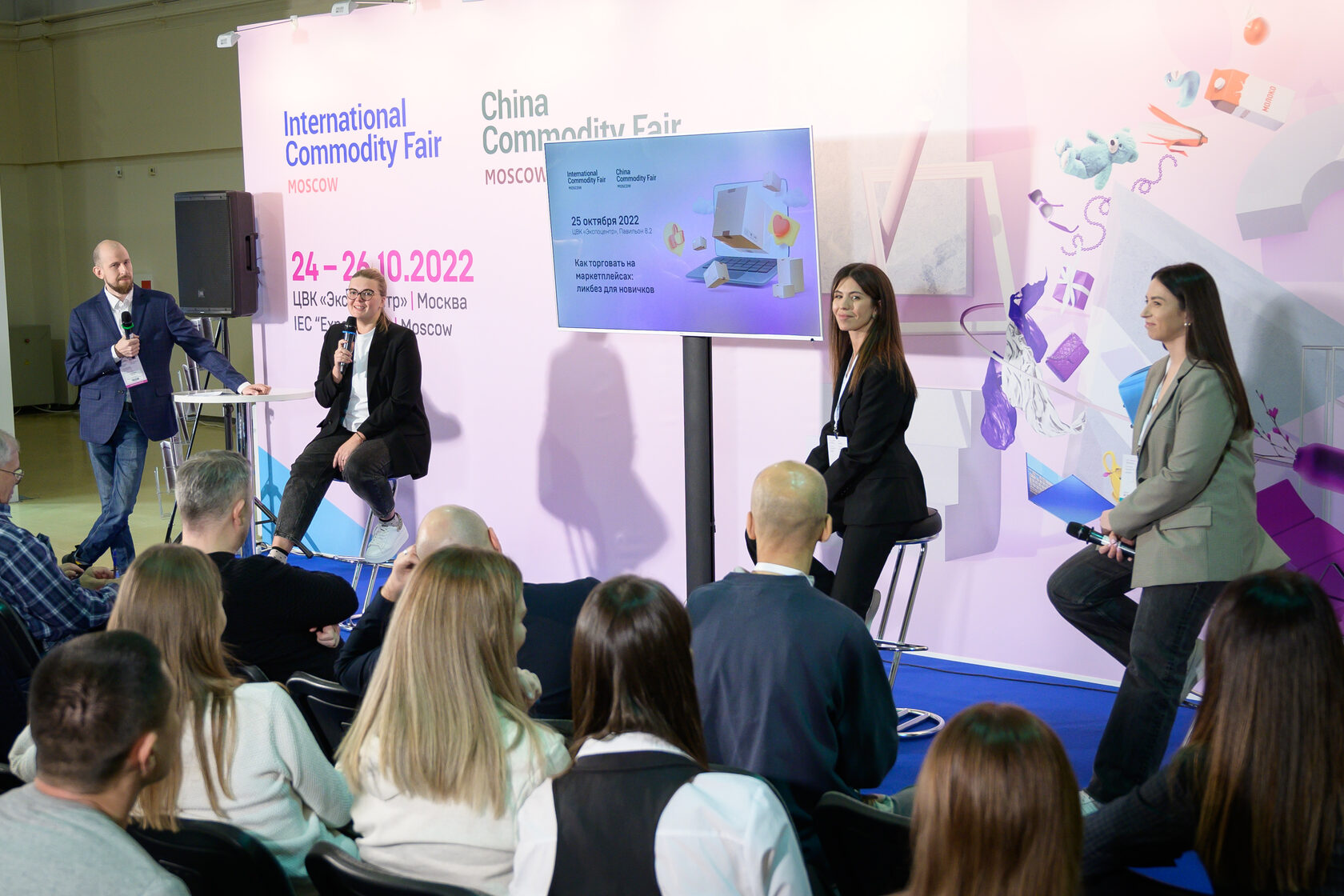
The final session of the forum concluded with an analysis of the key mistakes when promoting business on marketplaces. According to the speakers, being able to negotiate with suppliers and assess risks are essential skills—without them, newcomers will find it very difficult. Meanwhile, experts unanimously agreed that the online retail market has made a qualitative leap over the past couple of years. The pandemic and subsequent events have fundamentally changed the consumption model, shortening the distance between supplier and consumer, as demonstrated by the purchasing dynamics of Russians on marketplaces. At the same time, Russian consumers are showing strong loyalty toward Chinese products.
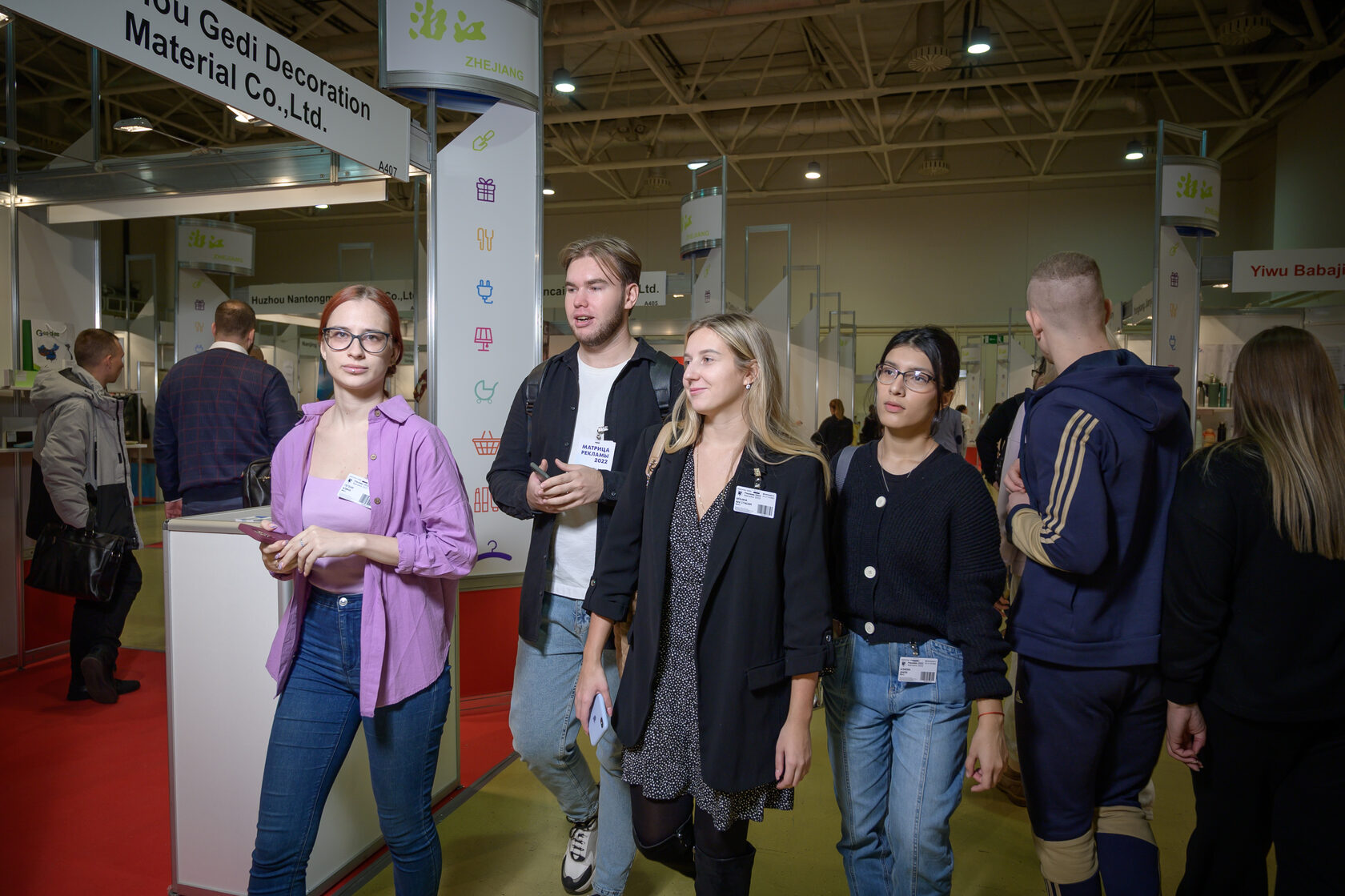
This is evidenced by the fact that more than 6,000 people visited the exhibition during its run.
“China has been Russia’s main trading partner for 12 consecutive years. Despite the changing situation with the pandemic and other challenges facing both countries, Russian-Chinese trade relations continue to show significant resilience and endogenous momentum, moving against the tide,” emphasized Mr. Liu Xuesun, Minister for Economy and Commerce at the Embassy of China in the Russian Federation. He expressed hope that the exhibition and forum would provide an additional stimulus for the development of bilateral trade and help achieve the goal of $200 billion in trade turnover.
“China has been Russia’s main trading partner for 12 consecutive years. Despite the changing situation with the pandemic and other challenges facing both countries, Russian-Chinese trade relations continue to show significant resilience and endogenous momentum, moving against the tide,” emphasized Mr. Liu Xuesun, Minister for Economy and Commerce at the Embassy of China in the Russian Federation. He expressed hope that the exhibition and forum would provide an additional stimulus for the development of bilateral trade and help achieve the goal of $200 billion in trade turnover.